

BlogHeader

How I Stay Motivated During the Quiet Months in Business

Photo by Prateek Katyal on Unsplash

Introduction: Quiet Months in a Sublimation Business Are Still Part of the Job

Well, hello February — finally. Was it just me, or did January hang around far too long?

For a sublimation-based handmade business, this time of year is typically slow. The stats dip, emails quieten down, and the Christmas chocolate stash is… well, history. And honestly? That’s completely normal, especially for businesses like mine that sell personalised and handmade products.

It can feel unsettling, though. When sales slow, it’s very easy to assume something’s gone wrong. But slower sales do not equal failure. Comparing this February to last February can send you into a spiral — even though sales naturally fluctuate year to year, even for big businesses.

So the question becomes: how do we stay motivated while we wait for things to pick up again?

The good news is there’s actually quite a lot you can do — plenty of small, behind-the-scenes jobs that keep momentum going without forcing yourself into panic mode. Let’s take a look.


Understanding Seasonal Cycles in a Handmade, Product-Based Business

So why do product-based creative businesses experience seasonal demand?

In a sublimation business, bread-and-butter products tend to be mugs, drinkware, tote bags — especially personalised designs. These make brilliant gifts, which means they naturally sell better around major gift-giving occasions like Easter, Mother’s Day, Father’s Day and, of course, Christmas.

Yes, people still buy gifts for birthdays and personal milestones throughout the year, but those purchases are spread out and harder to predict. That’s where the quieter months come in.

Instead of fighting the slowdown, I see it as preparation time. It’s the perfect window to design, test, refine and quietly build new products so they’re ready for the next busy season.


Redefining Productivity During Slow Periods in Your Sublimation Business

The quieter months can take some adjusting to — especially after a busy sales period. That shift from “go, go, go” to… not much can feel uncomfortable.

Personally, I use this time to slow down and refocus. On the business side, I aim for low-pressure wins: testing new designs, trialling new sublimation blanks, refining press settings, improving colour accuracy — all the things that matter, but often get pushed aside when orders are flying in.

This season is less about rapid output and more about consistency and refinement.


Creating Without Sales Pressure in a Sublimation Printing Business

Not all creating needs to lead directly to a sale.

Some of my favourite moments during quieter months come from creating purely for enjoyment — no product listing deadline, no rush. I’ll often browse my suppliers’ websites for inspiration or try out new sublimation methods just to see what happens.

Do they always work? Absolutely not. But that sense of creative play is valuable. It often leads to stronger designs, better long-term sales, and helps me reconnect with why I started this handmade business in the first place.


Using Quiet Time to Improve Your Sublimation Products and Listings

Quiet periods are also ideal for practical tasks that quietly support future growth — the kind that are easy to overlook when you’re busy packing orders.

Things like:

  • Updating Etsy listings
  • Improving product photography
  • Refreshing product tags
  • Rewriting product descriptions for personalised gifts
  • Adding care instructions to parcels for sublimated products

They might seem small, but together they make a big difference — and they’re far more manageable when sales pressure is low.


Building Gentle Routines for Creative Small Business Owners

Burnout is incredibly common in creative small businesses — especially when you’re juggling constant product creation alongside family life. It’s simply not sustainable long-term.

I use these quieter months to build a flexible routine: a better balance between creative work, admin, and — crucially — rest. Adequate rest improves focus, decision-making, and memory consolidation (that’s your brain processing information properly, by the way)

If slowing down feels uncomfortable, this might be worth a rethink.

If you want to explore this more, I talk about it in my blog post The Importance of Rest When You’re a One-Woman Business

Motivation builds far more reliably when you let it grow slowly, rather than forcing it every day.


Finding Inspiration Beyond Social Media as a Handmade Business Owner

I’ll admit it — I’m guilty of turning to social media for inspiration. Pinterest especially. A lovely colour palette, a cute pattern, a whimsical sticker… and suddenly I’m also comparing myself to every other handmade business the algorithm throws my way.

During slower months, I make a conscious effort to step away from that comparison cycle. Instead, I look elsewhere: my local garden centre, stationery shops, or simply sitting outside with a sketchpad and drawing what’s around me.

Switching off the phone and doodling without expectation is one of the quickest ways I know to reset both mentally and creatively.


Trusting the Natural Ups and Downs of a Sublimation and Handmade Business

It’s tempting to look back at busy seasons and wish they could last forever. But when I’m honest with myself, I know I wouldn’t want that.

Busy is good — but it leaves little room for new ideas, planning, or even breathing space. Now, I welcome the slower months because I know they’re temporary. They give me time to work on the parts of the business I genuinely enjoy and to prepare for what’s coming next.

Experience has taught me to build confidence through consistency, not urgency.


Conclusion: Staying Motivated in Your Sublimation Business Without Burning Out

Staying motivated during the quiet months isn’t about constant growth. It’s about sustainability.

Use this time to tackle the small tasks that often get forgotten, to refine your processes, and to reconnect with what you love about creating — not just what sells.

The slower seasons can feel daunting, but they’re also an opportunity. When used intentionally, they quietly support your long-term creative success.

What do you think? I’d love to hear your thoughts — feel free to leave a comment or follow along on social media. Until next time, have fun creating.


Heart shaped bowl filled with red, pink and white sprinkles

Valentines Product Range 2026

Photo by Sixteen Miles Out on Unsplash

Introduction: What’s New and What’s Hot

As we slowly make our way out of the cold nights of winter and into the warmer days of spring, we welcome the month of love. However, it’s not just about Valentine’s Day; we also have Galentine’s Day on the 13th February.

If you are fed up with flowers, chocolates and wine for gifts, why not try a small business for something unique?

Well, I have launched some new gift ideas for Valentine’s or Galentine’s Day, as well as some old favourites. Check them out below.


What’s New?

I have launched some new products this year, and I have started offering stickers thanks to my husband gifting me a sticker printer. The 2026 range has been inspired by the Love Heart Candies.

Love Heart Candy/Cookies Messages Sticker Sheet

The perfect love-themed sticker sheet for journals, cards and Valentine’s gifting. 8 Love Heart-shaped stickers featuring popular messages inspired by the popular candies. Available on Etsy.

Candy Heart Glass Cup | Valentine’s Frosted Iced Coffee Tumbler

This candy heart iced coffee glass features a playful Valentine-inspired design with sweet messages like “XOXO” and “Be Mine”, making it the perfect Valentine’s Day gift, Galentine’s Day cup, or cute treat for yourself. Available on Etsy.

Anti-Valentine’s Day Slogan Sticker Sheet

Whether you’re proudly single, happily taken by caffeine, or emotionally committed to carbs — this sticker sheet is your Valentine 💘 Available on Etsy here.


What’s Hot?

Some old favourites are back, or just make some great gifts to help express your love year-round.

Coffee is My Valentine’s Coaster and Mug

Coffee and love, the perfect Valentine’s Day duo. Available as a gift set together or separately.

A mug and coaster with hand drawn travel coffee cup with hearts and text saying Coffee is my Valentines
Treat Yo’ Self Frosted Glass Can

A perfect reminder to treat yourself regularly. Perfect self-care/Galentines/anti-valentines type gift. Can be purchased here.

Frosted glass can with black fancy font saying ‘Treat Yo’ Self’ and hearts
I Love Books Tote Bag

Perfect companion for date night with a book. Buy here.

Tote bag with digital line drawings of items associated with reading, like bookmarks, cookies, tea, glasses and hearts. All in a heart shape.

Book Lover Coaster

A perfect gift for bookworms and tea/coffee lovers. Available here.

Rounded coaster with text on the edge that says Drink Tea, Read Books, Repeat. In the centre is a small stack of books with a tea cup on top and love hearts
Binary Products

Send your valentine a secret message on a mug, bookmark, coaster or tin. Perfect unique gift. See my store for more details.


SWAK

So which is your favourite? Leave me a message in the comments below or follow me on social media.


BlogHeader-3

What Worked (and What Didn’t) in My Business Last Year

Photo by Shamblen Studios on Unsplash

Introduction: One Part Reflection, One Part Mild Chaos

Running a creative small business means constantly learning what works, what doesn’t, and how to grow sustainably. In this honest small business year-in-review, I’m sharing what worked (and what really didn’t) in my creative business last year — from bestselling products to marketing lessons and burnout boundaries.

There’s always a temptation at this time of year to do a “quick review” of the past twelve months. A neat little recap. A few bullet points. Job done.

If you’ve read my 2025 in review blog post, you already know this was never going to be quick.

Creative businesses don’t run on tidy graphs or boardroom meetings. They run on ideas, vibes, deadlines, mild panic, and an impressive amount of caffeine. So this is not a polished annual report — it’s a judgement‑free reflection.

Past‑me was doing her best with the information, energy levels, and snacks available at the time. This is simply me being honest about what worked, what didn’t, and what I can learn from — both as a creative and a business owner.

All while drinking a hot cup of coffee (and ideally eating cookies from Emmi’s Kitchen, which have just arrived and are frankly stealing the show).


What Worked (Shockingly Well, Actually)

What actually worked in my creative small business last year — from bestselling products to marketing strategies that didn’t drain my energy.

The things that made me stop and say: oh… that’s interesting.

Running a small business is full of surprises. The product you quietly list without much expectation suddenly takes off, while the one you were convinced would be the bestseller politely ticks along in the background.

a. Products That Found Their People

It’s a rare and magical thing when you love a design and your customers do too.

Last year, that was my Book Lover coaster. It’s simple, reasonably priced (especially in a cost‑of‑living crisis), and gently celebrates the holy trinity: books, tea, and coffee. Nothing clever. Nothing complicated. Just cosy and relatable — and apparently, that’s exactly what people wanted.

What really surprised me, though, was the success of my Mrs Claus’ Bakery mince pie tin. I sold out twice over the festive period, with orders coming in quickly and very suddenly. I did have Etsy ads running, which likely helped, but I think it was the vintage feel that really spoke to people. Sometimes nostalgia does the heavy lifting.

b. Leaning Into My Creative Style

One of the biggest advantages small businesses have over big corporations is personality.

Weaving your voice into your packaging, designs, and social media captions makes your work feel human. It gives customers a sense of who made the thing — not just where it came from.

I’ve tried sounding like a “proper business” before. Back when I was contracting, I made myself sound like every other contractor out there. It didn’t work then, and it definitely doesn’t work now.

As a creative business, people don’t want a polished corporate drone. They want me and my art — quirks, humour, and all. Once I leaned fully into that, things started to click.

c. Marketing That Didn’t Feel Like Shouting Into the Void

I show up across a few different social platforms, and most of them bring in steady traffic. Facebook performed the best, followed by Threads and Instagram. I joined TikTok late last year — fully prepared for chaos — and was pleasantly surprised by how much traffic it actually brought in

Video content did particularly well. Process videos, time‑lapses of drawings, and behind‑the‑scenes clips consistently brought in views and interactions. I’m not naturally comfortable on camera, but the occasional face‑to‑camera video performed well too — which felt like a small personal victory.

I aim to be consistent, not relentless. I run this business solo, and I don’t have the time (or energy) to churn out content constantly. Keeping marketing realistic has been key.


What Didn’t Work (Or: Things I’m No Longer Forcing)

The small business mistakes, time drains, and creative ideas that taught me what to stop doing — without the guilt.

Handled gently. With snacks. And coffee.

a. Ideas That Were Cute but Exhausting

My Witchy Black Cat tote bag is a perfect example. I adore this design and received lots of lovely feedback — but sales-wise, it just didn’t happen. After spending a significant amount of time drawing it, I sold… two.

I’m keeping it listed because I still love it, but it taught me an important lesson: not every favourite is financially sustainable. Maybe 2026 will be its year. Maybe not. And that’s okay.

There are also countless ideas that will never see the light of day. My projects folder is full. My notebook even more so. Not every idea needs to become a product — and accepting that allows me to focus my energy on the ones that truly have potential.

b. Marketing I Thought I “Should” Be Doing

Most social media trends don’t suit my style or branding, so I simply don’t force them. Trends move quickly, and more often than not, they don’t actually help promote my products.

Pinterest was another lesson. While the collage feature helped increase views and clicks, it required daily attention and a significant time investment — with very little return. It became draining, so I stepped back.

I still love Pinterest for inspiration and colour palettes. For posting? Not right now.

c. Trying to Do All the Roles at Once

It’s very easy to think you can fit everything in before lunch: admin, designing, accounting, marketing… all between school runs.

Spoiler: you can’t.

Trying to do it all at once only leads to burnout. I’ve written more about this in another blog post, but learning that rest is part of the process — not a reward — has been essential.


The Biggest Lessons From a Year of Making Things

Key lessons from running a creative business — including burnout, simplicity, and how creativity actually thrives

One of the biggest lessons I learned is that creativity works best with light structure.

Too much pressure or rigidity drains me quickly. I know this from past full‑time roles, and it still applies now. Creativity needs space to breathe — it can’t be forced on a schedule.

I also learned that simple sells better than clever. My Book Lover coaster proved that. It’s a reminder I’ll be carrying into future designs.


What I’m Letting Go Of This Year

Mindsets and habits I’m leaving behind to grow my small business in a healthier, more sustainable way.

Comparison. Constant, unhelpful comparison.

It’s hard not to compare yourself to businesses that have been around longer, have teams, or appear to exist in homes with permanently empty laundry baskets. Social media’s perfectly curated vibes don’t help either.

I’m also letting go of the idea that growth has to look a certain way. I used to believe growth meant viral moments and fast results. In reality, growth is different for everyone — often slower, steadier, and far more sustainable.

Quality over quantity. Every time.


What I’m Carrying Forward (With Intention)

The creative business practices I’m taking into the new year — slower, more intentional, and life-first.

I have a habit of rushing ideas into products. Lately, I’ve been slowing down — letting designs grow naturally instead of forcing them out quickly for the sake of a sale.

That mindset shift is staying with me into 2026.

My goal has always been to build a business that fits around life — not one that replaces it. I didn’t start this to miss my son growing up or to recreate the pressure of corporate life. Setting my own hours and protecting my time remains non‑negotiable.


Closing Thoughts: Gentle Progress Is Still Progress

Reflecting on creative business growth, seasonal work rhythms, and why slow progress still counts.

Creative businesses grow with the seasons. The festive rush. The quiet post‑Christmas weeks. The autumn whirlwind. Slowing down during quieter months isn’t failure — it’s part of the rhythm.

Reviewing your year isn’t self‑criticism. It’s simply collecting information. Keeping what works. Letting go of what doesn’t. And growing — gently — from there.

Make more of what you love. Remove the unnecessary pressure. Bring more joy into your work.

You’ve got this.

If you’d like to follow along, you can find me on social media via the links below — or leave a comment to say hello. Until next time, keep building… even if it’s slowly.


How I Plan My Workdays Around School, Family & Energy Levels

Photo by Markus Spiske on Unsplash

Introduction: Being Your Own Boss Is a Scam (But a Nice One)

Running your own business is sold as freedom. You’re your own boss. You make the rules. You take control of your life.

Then you accidentally become the kind of boss who never gives you a day off.

What no one really tells you when you start a small business is that you’re not just the CEO. You’re also the creative director, marketing department, customer service team and IT support — mainly because you’ve forgotten your Etsy login details again and refuse to reset the password on principle.

This isn’t a productivity method or a five-step routine designed by someone who wakes up at 5am and drinks celery juice. This is simply how I stop my brain from powering down at 2pm.

So here’s how I plan my workdays around school, family and energy levels (spoiler: it involves coffee).


School Hours: The Only Deadline That Actually Matters

No planner, app or “just wake up earlier” advice has ever survived contact with the school timetable.

If you’ve ever done the school run — either as a parent or a former pupil — you’ll know that drop-off and pick-up times are the most immovable objects in the universe. Yes, sometimes my son has after-school clubs. Yes, sometimes he asks to stay at wraparound care to hang out with his friends.

But still. There is a hard stop to the day where you must retrieve your small human.

Everything else around those times is flexible, negotiable and occasionally ignored (I see you, enormous laundry pile). Because of that, I’m careful to set realistic tasks during school hours — things that actually fit into that window, rather than pretending I have an uninterrupted eight-hour workday like a Victorian factory owner.


Energy Levels: The Real Boss (I Just Work Here)

Coffee. That’s it. That’s the section.

Only joking. Mostly.

Some mornings I wake up full of confidence and creative enthusiasm, brimming with ideas and fully convinced this is the week everything clicks into place. Other mornings I open my laptop and stare at the screen like it’s personally wronged me.

Both are completely normal.

So instead of fighting it, I plan my work around my energy levels:

  • High energy: designing new products, writing, planning launches, convincing myself this idea will absolutely work
  • Low energy: packing orders, answering emails, tweaking listings, staring into the middle distance while Photoshop or Illustrator loads

What I learned the hard way was not to force creativity when the energy just isn’t there. It only leads to frustration and designs that don’t meet the standards I’ve set for myself.

Some days the most productive thing you can do is curl up on the sofa with a hot cuppa and be kind to yourself.

(If this sounds familiar, I’ve written more about this in A Gentle Reset and learning to embrace low-energy days.)


The To-Do List: A Place Where Dreams Go to Be Moderated

I do have a big, ambitious master list of business goals for the year. It’s full of dreams, plans and ideas that feel very exciting when written down.

My daily to‑do list, however, is much smaller and far more realistic.

I focus on small, achievable tasks that move the business forward bit by bit — and, crucially, can be completed before the afternoon school run. Small goals build into bigger ones, and they’re much less likely to make me want to lie down dramatically on the floor.

Daily tasks might include checking eRank for keyword trends, replying to emails, tweaking a listing… or blocking out time to design an entire new product range. Some days are tiny steps. Some days are leaps. Both are valid.


The School Run: A Built-In Intermission

Whether I like it or not, the school run splits my day neatly into two halves.

Mornings are for coffee, creativity and attempting to coax my brain into action — all while glaring at the laundry pile and wishing the mice from Cinderella would finally show up and earn their keep.

Afternoons tend to be more practical: packing orders, marketing, blog planning and all the necessary-but-not-thrilling admin tasks that keep the business running.

Creativity, I’ve learned, is fragile. It needs to be handled like a rare houseplant. Gentle care, regular attention and absolutely no shouting at it.

It can’t be rushed — and it certainly won’t thrive if you bully it.


A Completely Unfiltered Small Business Workday

A typical day might include:

  • Creating something I genuinely love
  • Packaging orders with care and tissue paper
  • Catching up with some of my fellow small business owners.
  • Snacking (professionally)
  • Ending the day tired but oddly satisfied

Some days I move the business forward. Some days I maintain it. Some days I simply stop it from falling over.

All of it counts.


Boundaries When Your Office Is Also Your House

If you’re anything like me, most of your business lives on your phone — which means work is always right there.

It’s dangerously easy to think, “I’ll just do one more thing,” and accidentally work your way straight into burnout. I’ve been there. Repeatedly.

Closing the laptop or putting your phone in another room isn’t giving up — it’s a business decision. You’d set boundaries in a traditional job, so your small business deserves them too.

Rest isn’t a reward. It’s part of the process.


When Small Business Brain Fully Takes the Wheel

You know that feeling of having 20 tabs open and no idea where the music is coming from? That’s me in full business mode.

Pinterest is open for colour inspiration. Social media is open for reel ideas. I’m halfway through convincing myself I need a rebrand (again). Shop stats are being checked. Into The Fog Vlog playing in the background. Everything is happening at once.

When this happens, breaks are essential — usually involving snacks or green tea. I also come back to my weekly planner on my desk, which gently (and sometimes firmly) brings me back down to earth.


What This Has Taught Me (Mostly the Hard Way)

Sustainability is elite.

Going full force all the time isn’t impressive — it’s exhausting. A quiet day is still a productive day. Running a business alongside family life isn’t about doing everything at once; it’s about strategy, flexibility and knowing when to step back.

It’s easy to lose yourself in your business, and just as easy to lose yourself in parenthood. Be kind to yourself. Your business will still be there, ready to welcome you back with fresh ideas.


Closing Thoughts: You’re Doing Better Than You Think

Congratulations. You ran a small business today and remembered school pick‑up. Win‑win.

This isn’t about perfect routines or colour‑coded planners. It’s about finding a way of working that fits your life. Keeping things simple makes it easier to stay flexible — especially when energy levels change.

And always, always making room for a hot cup of tea.

Do you have any gentle, realistic ways you plan your workdays around real life? I’d love to hear them. Why not leave a comment below. Or follow me on social media.


BlogHeader-1

My Goals for the Year Ahead (Without the Pressure)

Photo by Estée Janssens on Unsplash

Starting the year in the quiet (and the echo)

January feels… very quiet.
Especially the inbox. I half expect a digital tumbleweed to roll by any minute now.

After the emotional chaos of Christmas, followed by a suspiciously silent January, you’d be forgiven for wondering if something is broken. You refresh your emails. Check your stats. Refresh again. All while nursing a coffee and pretending you’re definitely not panicking.

But don’t worry — this is normal.

The January slowdown is something every small business goes through. It’s not a problem to fix, just a phase to move through. Think of it as the business equivalent of a lie-in. A chance to stretch, blink at the light, and ease into the months ahead with some very gentle goal-setting.


When the quiet makes you want to panic-plan

As I’ve mentioned in a previous blog post, January has a habit of triggering dramatic goal-setting. New year, new energy, new plans… all at once.

It’s lovely to feel excited about your business — especially if December went well. But instead of rushing to overhaul your branding, strategy, and possibly your entire personality 😉, why not take a step back?

Social media rarely shows this awkward in-between stage of running a small business. The quiet days. The thinking days. The “what am I actually doing?” days. So it can feel isolating — but you’re not alone. This lull is simply part of the cycle.


Remembering that small businesses have seasons too

Just like the actual seasons, businesses have rhythms. A busy December. A hibernating January. A perfectly reasonable time for your business to metaphorically sit under a blanket for a bit.

Slower months are normal — and honestly, they’re needed. The trick isn’t to dread them, but to decide how you’ll use that extra breathing space (preferably from a cosy spot on the sofa).


Choosing intentions that suit January energy

January is not loud. So your goals don’t need to be either.

Instead of diving in headfirst, use this time to ease into the year. January is low-energy, and that’s okay. Keep goals small and simple. Three or four at most. No hard deadlines. Nothing that makes you want to crawl back under the duvet.

My January energy is best described as “hibernating bear.” Slow, sleepy, and always hungry. I do a lot of gentle pottering — and honestly, that’s enough for now.


My gentle goals for the year (powered by tea and realistic expectations)

In my business

  • Steady progress. When I first started, I wanted to expand fast. It didn’t work — it just got messy (especially when done in slippers).
  • Use quiet days for thinking, planning, and mildly rearranging to-do lists.
  • Start mapping out social media campaigns around holidays and events.
  • Make space for ideas without forcing them to show up immediately.

In my workday

  • Accept that slow mornings are a dream… just not when you have a 5-year-old to get to school.
  • Enjoy that moment after the school run — watching the sun rise with a coffee feels like a small win.
  • Stop filling quiet time with pointless admin just to feel “busy” (I’m very guilty of this).
  • Log off on time. School run = non-negotiable.

In my personal life

  • Enjoy the calm instead of side-eyeing it.
  • Dedicate one weekday just for me — which has been surprisingly refreshing.
  • Ease back into routines gently.
  • Accept that rest is productive, even if it doesn’t come with a checklist.

Redefining success in a slower season

January makes comparison especially tempting. But success isn’t always measured in sales.

Sometimes success looks like building something sustainable instead of burning out before February. Slow and steady still counts.

Celebrate the underrated wins:
Fewer tabs open. Warm hands. Discovering ITVX has the full Thunderbirds and Captain Scarlet series. The popcorn-flavoured Malteser bunny being back in shops. Little wins matter too.


Letting the year unfold at its own pace

Flexibility is one of the main reasons I started my business — especially with childcare in the mix. January is the perfect time to lean into that flexibility, let things warm up naturally, and get creative again.

Of course, all plans change the moment a sale comes in. And that’s fine too. That’s business.

Goals aren’t contracts. They’re more like suggestions. Or, if you’re anything like my 5-year-old son, something to completely ignore while doing your own thing.


A cosy, reassuring close

This post-Christmas slowdown is temporary. I’ve been doing this for four years now — it happens every time, and business always picks up again.

Enjoy the quiet while it’s here. Don’t feel guilty for resting. I have a stack of books waiting for me, and I know I won’t have this kind of time later in the year.

January is for easing in. Not sprinting.
It’s okay to move slowly.

Do you have any tips for easing into a new year? Or thoughts you’d like to share? Feel free to leave a comment below or follow me on social media (links below).

Thank you so much for reading — and if you fancy it, you can read more blog posts here.


BlogHeader

A Gentle Reset: Running a Small Business After Christmas

Photo by Diganta Sonowal on Unsplash

The Quiet After the Rush

Happy New Year! There’s something oddly comforting about the quiet that follows the Christmas whirlwind. The orders slow, the inbox calms down, and suddenly you remember what a normal cup of tea tastes like when it’s still hot.

Although it wasn’t my busiest Christmas ever, it was busy enough to earn that post-Christmas exhale.

That quiet can come with mixed feelings. On one hand, I was definitely burned out from all the social media promoting. On the other hand, I was (and still am) incredibly grateful for every single sale. Then January rolls in, and you find yourself wondering where everyone went. Did they all decide to hibernate? Is it something I said?

January doesn’t have to mean instant pressure, giant goals, or a colour-coded life plan. It can be a gentle reset rather than a hard reset. A time to breathe, reflect, and softly plan what comes next. So let’s look at how to ease yourself — and your business — into the year ahead.


Allowing Yourself to Slow Down

It’s OK to rest after a busy period. It’s not laziness — it’s being gently productive.

This is especially true for mum-run or one-person businesses, because let’s be honest… you’re doing everything. Marketing, packing, posting, customer service, admin, creative work — all of it. Rest isn’t a luxury; it’s part of the job. You’ve earned it.

I used to think the new year meant new everything. New plans, new systems, new energy (preferably overnight). But not everything needs a full refresh just because the calendar has changed. Sometimes all that’s needed is a little spring clean — ideally fuelled by a spring-inspired mug full of coffee.

Reflecting on the Christmas Season (Without Overthinking It)

When I reflect on the festive season, I always start with the positives. What sold well? What surprised me?

This year, my mince pie tins were the unexpected stars of the show — selling out twice. A very nice problem to have, and a clear note to future-me to stock up properly next Christmas. Another small-but-happy moment was carrying more than one order to the post office in a tote bag. It sounds minor, but I hadn’t done that in a while, and it felt like a win.

Of course, there were challenges too. The biggest one this year was postal delays due to sickness within Royal Mail. Completely out of anyone’s control, but still stressful when you’re trying to keep customers updated and calm.

Energy was another hurdle. Constant social media posting, packing orders quickly, school runs, school events — it all adds up. By the end, I was running on fumes and festive leftovers.

Instead of trying to fix everything immediately, now is the time to jot things down and tackle them slowly. The quieter weeks are perfect for easing into improvements, rather than overwhelming yourself.

Resetting Your Workspace & Systems Gently

Confession time: my workspace is a mess.

Blank stock lives in several locations; my desk is dusty, and it’s covered in old notes that probably made sense at the time. I also need to make room for a sticker-making machine, so a slow, steady tidy is underway. The stock area clean-out, however… that’s a job I’m emotionally preparing for.

I’ve started restocking a few items (while waiting for suppliers to catch up), looking into possible new products, and doing some long-overdue organising. As mentioned, my stock situation is currently chaotic.

There are also those small-but-important admin tasks: making sure finances for 2025 are wrapped up properly, starting to organise things for 2026, and generally getting my systems back into a calmer rhythm.

Reconnecting With Why You Started

Tidying your space can do more than just make it look nicer — it can help reconnect you with the why behind your business.

During busy, stressful periods (hello, Christmas), it’s easy to lose sight of that. When I start to doubt myself, I look at the photo on my desk of my son and his dad. It reminds me why I do this — to be present, flexible, and spend more time with them. That reminder makes everything feel worth it again.

If you run a creative business, getting back into the creative flow after a break can feel tough. I’ve found browsing Pinterest really helpful — and not always with the intention to create something sellable. Making something just for yourself can be incredibly restorative (and much better for your mental health).

It also takes the pressure off constantly needing to produce something new, easing you gently back into the rhythm ahead of spring.

Setting Soft Goals for the New Year

I’ve already shared a separate post about my business goals for the year, focusing on seasonal ranges, better planning, and flexibility — because life will happen. Especially when school-aged kids bring home the latest bug.

Rigid goals can feel restrictive and often lead to unnecessary guilt. Intentions are far kinder than hard deadlines. Aim for consistency over perfection — future-you will thank you for it.

Gentle Planning for the Months Ahead

January is the perfect time to look ahead to spring. Mother’s Day, Easter, and other gifting occasions benefit so much from early, relaxed planning.

Using January and February as preparation months means ideas can develop without panic. It’s also a great opportunity to get ahead with social media planning — teasing spring launches, slowly building momentum, and easing your audience (and yourself) into the new season.

Giving Yourself Grace as a Small Business Owner

Progress doesn’t have to be loud or fast.

Energy levels change throughout the year — sometimes they dip, sometimes they disappear entirely. That’s normal. Balancing business, family, and everyday life is no small task, and it’s OK to slow down and breathe.

A sales slump doesn’t mean failure. It means a pause. Things will pick up again — they always do.


Conclusion – A Calm Start Is Still a Strong Start

Moving forward at your own pace is still moving forward. A gentle reset is still a reset — no need to charge headfirst into the year and give yourself a headache.

So grab a cup of tea, a choccie biccie, and allow yourself a calm start to 2026. You deserve it.

I’ve been doing this for nearly four years now, and those quiet starts still test me some days. But I’ve learned they’re the perfect time to reflect, reset, and breathe before the next busy season arrives.

Thank you for taking the time to read. Feel free to share your experiences in the comments, or come and say hello over on social media (links below).

Until next time… enjoy the calm (and the last of the Christmas biscuits).


BlogHeader-3

Looking Ahead: My Goals for My Business in 2026

Photo by Firmbee.com on Unsplash

Merry Christmas

It’s Christmas week, and as we recover from the festive cheese-and-chocolate overload, it’s the perfect time to reflect on the past year and plan. As a small creative business owner, the end of the year always brings a mix of wins, challenges, and lessons learned. In this post, I’m looking back on 2025 at Panda Motion Designs—what worked, what didn’t, and how I’m setting goals and plans for my small business in 2026

2025 has definitely been a mixed bag. The year started with the blow of losing EU customers due to GPSR, followed by the ongoing chaos of USA tariffs, which brought plenty of financial uncertainty. As a result, sales weren’t quite as strong as in previous years. (I talk more about this in my 2025 Business Goals blog post)

Planning for the year ahead helps me track progress and stay focused on where the business is heading. So grab one of the last remaining mince pies, and let’s get planning.


Strengthening My Brand Identity

I refined my logo for a bit more impact and spent far too long researching colour combinations and fonts. In 2026, my goal is consistency—especially with packaging. Branded stickers might finally be happening, helping everything feel more cohesive across products and platforms.

One thing I’m especially proud of is my customer experience, which is reflected in my reviews. That’s something I’ll absolutely continue to prioritise in 2026.

Expanding My Product Range

Home décor and book-themed products will always be at the heart of my shop, but I’d love to expand further into gifts. I’ve been eyeing some plush toys from a supplier that could work beautifully for Valentine’s Day or Mother’s Day.

Up until now, I’ve mainly focused on Autumn and Winter/Christmas collections. Spring and Summer have been a bit neglected—oops. That’s changing in 2026. I’ll be planning and researching seasonal collections and sharing design updates on social media to gather feedback (and boost engagement at the same time)

Elevating My Online Presence

It’s officially time to review some of my older products. A few have never had a favourite, let alone a sale, so it may be time to lovingly say goodbye and replace them with designs that better fit my current style. SEO has always been a challenge for me, so improving that will be a big focus to help boost visibility and sales.

On social media, video continues to be king. I want to create more educational content, time-lapse videos, and behind-the-scenes glimpses of artwork in progress. I’ll also be writing more blog posts about life behind the scenes—juggling motherhood and running a small business.

Streamlining and Improving Processes

First on the list: clean my desk. Yes, really. I share an office with my husband, and chaos reigns. A tidy workspace should help me focus better and stay organised.

I’ll continue using weekly planners and diaries to set goals and stay on track. Inventory management also needs improvement—I sold out of products this year simply because I didn’t realise how low my stock was. Lesson learned, especially after the festive rush.

Building Stronger Customer Connections

On social media, I want to be more present—replying to comments, engaging in conversations, and being approachable. I’d love my platforms to feel welcoming rather than salesy.

I’ll also be sharing more engagement-style content like polls and questions, focusing on lifestyle vibes rather than constant product promotion. Less “buy this,” more “here’s how this fits into your life.”

Growth Through Sales & Marketing

My goal for 2025 was to grow from 1,800 to 2,000 sales—and I hit that target by autumn 🙌. Overall, I made around 240 sales this year.

For 2026, my aim is 300 sales, which feels like a realistic and healthy step up. I also want to expand my seasonal campaigns. Autumn and Christmas are well covered, but Spring and Summer—especially Mother’s Day and Easter—need more love.

I’m also exploring selling beyond Etsy. I’ve applied to become a wholesale supplier and am considering TikTok Shop as another way to reach new customers.

Learning & Personal Development

Keeping skills up to date is essential for creatives—especially in today’s fast-moving, AI-filled digital world. I’ll continue learning through tutorials, drawing regularly, and improving my marketing knowledge.

More than anything, I want to lean back into creativity. Less pressure on sales, more focus on refining my art and building confidence in my designs.

Dream Goals (If Everything Goes Perfectly!)

If the stars align, here’s what I’d love to achieve:

  • Make 300 sales in the year
  • Increase visitors to my website
  • Expand further into laser cutting (and maybe beyond)
  • Create more curated, intentional designs

Conclusion

I am excited to see what will happen in 2026. I look forward to being more creative and finding new ways to grow as a business and as a person. So many potential opportunities could arrive in the coming year, and I can’t wait to see what they will be.

What are your business goals for 2026? Why not stay up to date with my journey by following me on social media? See links below.

Until next time…Have a Happy New Year.


BlogHeader-2

From Hobby to Business: How I Turned My Passion into Profit

Photo by Giulia Bertelli on Unsplash

Welcome

Hello and welcome back to my blog and website! I’m Charlotte, the face (and messy mum bun) behind Panda Motion Designs. I sublimate my hand-drawn and digital illustrations onto sublimation blanks, which then find their forever homes in my Etsy store.

I’ve always been a creative soul. My mum loves telling people how I started drawing the moment I could physically grip a crayon and would happily sit for hours doodling away. I pretty much knew early on that I wanted a job in the creative industries.

What I didn’t know was that I’d eventually be running my own small business from home. So… how on earth did that happen? Grab a coffee, grab a biscuit (or two—no judgement here), and let’s dive in.


Where It All Started

I’ve always been a daydreamer with a wildly overactive imagination, so it felt natural to start turning those daydreams into something I could actually see on paper. Once I started, I never really stopped.

Drawing became my little bubble of calm. It helped me switch off from the world, especially when school was difficult, and bullying made everything feel heavy. Putting pencil to paper gave me a sense of control and a way to create something beautiful out of what was not a particularly beautiful day.

I started with pencil drawings, but with some gentle nudging from my mum, I tried watercolours—and loved them. That’s also when I fell in love with painting flowers, animals, and anything inspired by the natural world.

The Turning Point

It had genuinely never crossed my mind to sell my artwork. It was my husband who planted that seed.

Before all this, I worked as a freelance motion graphics designer and video editor. Then COVID hit. I had my son, and when I eventually felt ready to return to work, all my clients had reorganised and no longer needed me. Childcare-friendly work was impossible to find.

One day, my husband watched me drawing with our son and said, “Why don’t you use sublimation and put your artwork onto products?” I wasn’t convinced at first. I’d seen plenty of artists struggle to get even a single sale. But he believed in me, and with his support, I leapt into the chaotic, exciting, wonderful world of small business.

Taking the First Steps

The beginning was full of research. What should I price things at? Which materials should I use? How do I photograph products without them looking like abstract modern art? And what even is SEO?

I built up my Etsy store slowly—learning how listings worked, navigating Etsy fees, working out branding, and setting up my social media accounts. Etsy itself was surprisingly easy to get started with.

Mistakes? Oh, I made plenty. My personal favourite disaster was massively undercharging for postage on a mug going to the USA. Let’s just say I did not make a profit that day. But every mistake taught me something, and the learning curve was absolutely worth it.

Building a Brand

Branding matters—a lot. In today’s fast-paced digital world, you need something recognisable, clear, and consistent. I stuck with my original business name from my contracting days and kept the same colour scheme. It made everything—from my packaging to my social media—feel cohesive and intentional.

Growing an Audience

knew social media was going to be key. I started with Facebook, Twitter/X, and Instagram. Facebook and Instagram grew steadily; Twitter… didn’t. So I closed the Twitter account and doubled down on what was working.

Later, I added Pinterest and TikTok. Reels and TikToks have been my best-performing content by far. I’ve now got lovely repeat customers who leave reviews, and offering returning-customer discount codes has really helped keep momentum going.

Turning Passion into Profit

Learning to price realistically has been one of the hardest parts. I still reevaluate my pricing at least once a year to make sure I’m not undervaluing my work—or scaring people off. In this current financial climate, it’s a balancing act.

Once I had over 10 products, I started seeing patterns in what people were most drawn to. That helped shape what new items I created and which designs I focused on.

Challenges Along the Way

When I launched the business, my son was one and had just decided that naps were optional (tragic). I worked around swimming classes, nursery days, and the usual chaos of parenting. Time management was… interesting. My first Christmas season felt like a sitcom where I was trying to print, press, package and post orders while chasing a toddler moving at warp speed.

Planning became essential. I did orders during nap time or in the evenings, and saved design work and social media for nursery days. Now he’s at school, I have more breathing room, but I still rely heavily on my weekly planner.

Proud Moments & Milestones

My first sale came the day after I opened. Yes, it was a friend of my husband’s—but a sale is a sale, and I was thrilled. Slowly, more orders came in. Some items even sold out quickly, and Christmas was absolutely wild in the best way.

Reviews rolled in, my social media grew, and the encouragement pushed me to keep creating and expanding my range of illustrations.

Tips for Others Wanting to Do the Same

Thinking of turning your hobby into a business? Do it. Seriously—give it a go.

Here’s what I’d suggest:

  • Research the market. Look at Etsy and other platforms. What’s already out there? What can you bring that’s unique?
  • Be patient. You won’t make millions overnight (if you do, please tell me your secrets).
  • Start small. Pick a handful of products to begin with and grow slowly.
  • Work for that first sale. It rarely just lands in your lap—you’ve got to promote, post, tweak, and test.
  • Embrace the learning curve. You’ll make mistakes, but they’re stepping stones, not setbacks.

Most importantly: you’re worth the effort. Really.


Conclusion

Since launching my shop in 2021, I’ve made over 2,000 sales and currently have 86 live listings. I never imagined getting this far, this fast—or that I’d be heading into my fourth year of trading. I owe so much of it to the support of my husband… and now my son wants to start selling his artwork too!

I’m excited to see where things go next. I’m hoping to expand into laser-cutting designs, and my husband has hinted that Santa might deliver a new machine (fingers crossed). I have also considered a little plushie collection for Valentine’s and Mother’s Day.

If you’d like to follow along with my journey, come join me on social media.

And tell me—what are you passionate about? Share in the comments below!


BlogHeader-1

My Favourite Sublimation Blanks for Festive Gifts

Photo by Chad Madden on Unsplash

Christmas is just around the corner, and for small businesses like ours, it’s the busiest time of the year — but also the most fun for creating! There’s something magical about festive crafting, and sublimation blanks make it even better.

So, let’s dive into my favourite sublimation blanks for Christmas gifts and seasonal makes.


Decorations

I love making little decorations. There’s so much creative potential — nostalgic, customised, whimsical… you name it. Designing them is always such a joy.

My go-to choice? MDF blanks. They’re hardy, easy to use, beautifully glossy, and the colours stay clear and vibrant after pressing. Plus, they’re lightweight, which means cheaper postage (and who doesn’t love that this time of year?).

Why not take a look at some of the decorations I have to offer?

Coasters

These are another super-versatile blank. Coasters make brilliant stocking-stuffer gifts and are perfect for Christmas Eve boxes. Personalised designs are always popular because they add that little spark of whimsy and uniqueness.

They’re also very easy to work with, and you can press multiples at once — a huge win when you’re batch-making Christmas orders.

My most popular coaster is the binary coaster. Check it out here.

Tins

A new addition to my festive lineup this year — and already a hit! My mince pie and sweets tin have been extremely popular. The possibilities with tins are endless, especially when personalisation comes into play.

And the best part? They’re easier to sublimate than you might think. No fancy equipment needed — just your trusty flat press. Simple, quick, and they look fantastic.

Bookmarks

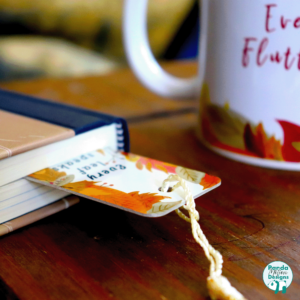
Bookmarks will forever have my heart. They’re so easy to sublimate, look gorgeous, and make ideal stocking fillers for bookworms (honestly, we never have enough). These aluminium ones don’t bend, fall apart, or warp — yet they’re still wonderfully lightweight.

You can sublimate several at once, making the process super efficient. And yes… I often keep a few for myself. Perks of the job

Check out my bookmarks here.


Conclusion

And there you have it — my top sublimation blanks for the festive season. Which one is your favourite? I’d love to hear your thoughts in the comments below!


BlogHeader

How Becoming a Mum Made Me a Better Business Owner

Photo by ergonofis on Unsplash

I became a mum in 2020, and I knew it was going to change my world — but I didn’t realise just how much. Not only did it reshape my personal life, but it also shifted everything professionally. I went from well-paid contract work as a Motion Graphics Artist to, suddenly, a mum running a small business from home.

While many people talk about how hard it is to juggle motherhood and business, far fewer mention how becoming a mother can actually strengthen your business skills. In fact, it can transform the way you work, think, and grow.

With that in mind, let’s dive in.


1. Motherhood Rewrote My Priorities (In the Best Way)

Becoming a mum forces you to focus on what truly matters. As a result, because time is so precious now, you start making decisions more quickly and with more intention. In those quiet 2 a.m. feeds, when your mind wanders, you begin to imagine new ideas for your shop or spot a product online that could make a wonderful addition. Before you know it, every small thought feels like a step toward building a brighter future for your family and your business.

2. Time Management Became a Superpower

I’ve always loved planning. At university, my diary was practically glued to my hand, filled with deadlines, colour-coded notes, and weekly targets. That mindset followed me into my career. But when I became a mother, it shifted into full-blown superwoman mode.

The nap-time hustle became my new routine. No time to waste—just a focused sprint to process orders, prep shipments, and squeeze in a cup of tea because even that had to be scheduled. Over time, I streamlined my workflow, simplified my processes, and learned to make every minute count.

Despite having far less time, motherhood made me more effective, not less.

3. I Learned the Power of Saying No

Saying “no” can feel uncomfortable, especially when you’re building a business from scratch. However, motherhood teaches you quickly that boundaries are essential. For instance, saying no to the wrong opportunities clears space for the right ones. Similarly, saying no to overworking protects you from burnout. Ultimately, saying no without guilt keeps both you and your business healthy.

In the end, a mum should never feel bad about setting limits. After all, protecting your energy is just as important as protecting your business.

4. I Became More Creative and Resourceful

A Mum’s life is one big improvisation, and it often sparks the best kind of creativity. Even mums who don’t feel creative constantly come up with clever ways to keep little ones engaged. And sometimes, your child surprises you with the inspiration instead.

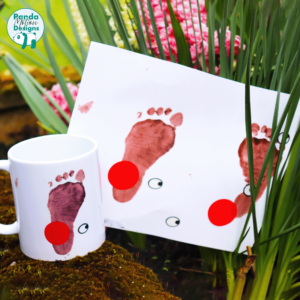
One day, my son came home from nursery with the sweetest reindeer painting made with his footprints. It was an instant lightbulb moment—why not turn it into a keepsake? And that’s how my children’s artwork mug product was born.

It’s amazing how everyday moments of motherhood can transform into meaningful business ideas.

5. I Found a New Level of Empathy

Motherhood deepened my understanding of people in a way I had not expected. I became more patient, more compassionate, and more aware of the unseen struggles others might be carrying. It’s easy to judge someone at face value, but motherhood reminds you that everyone has something going on behind the scenes.

This shift made customer interactions more heartfelt and genuine. And in a world where AI is increasingly handling communication, that human touch matters. Listening, empathising, and connecting create a much better experience for the people who support your business.

6. My ‘Why’ Got Bigger

Motherhood brought a new sense of purpose, and inevitably, that spilt into my business.

I won’t go into too much detail here—you can read more about it in my About Us section—but when I couldn’t find work that fit around childcare, I decided to start something of my own. I didn’t want my son to see me without direction or passion. To model ambition, creativity, and independence.

I wanted to show him what it looks like to build something meaningful and take pride to it.

7. Stop Chasing Perfect

I’m a perfectionist by nature. If something doesn’t turn out exactly as I imagined, I feel it deeply. But motherhood taught me that done is better than perfect. My son doesn’t care if the cardboard firehouse I make is flawless—he cares that it exists and that we built it together.

Letting go of perfectionism has helped me grow more quickly, be kinder to myself, and show up with more authenticity. Imperfection became a source of confidence, not a flaw.

8. Community Became a Lifeline

Community truly is everything. While motherhood can feel incredibly isolating, building a business around nap schedules can make you feel even more detached from the outside world. Thankfully, joining several small business communities changed that for me.

Within these groups, there’s one core value everyone shares: support. There’s no competition, no judgment—just connection. Together, we lift each other up, collaborate, and share the load of both business and everyday life. I’m so grateful for the friendships and encouragement I’ve found; in many ways, it’s like having a personal cheerleading squad that always understands the juggle.

Ultimately, there is so much strength in connection.


Conclusion

Motherhood is a life-changing and amazing thing to experience. Not only did it change my life, but it also transformed my business for the better.

So, I encourage you, fellow business mama: focus on your strengths and not your limitations. You are amazing — let the world see it.

Finally, how has parenthood shaped your business journey? Let me know in the comments below.