
My Favourite Sublimation Products to Design for Spring

Photo by Arno Smit on Unsplash

Spring Brings Fresh Creative Energy

As we start to put away our big winter coats and notice flowers blooming and birds singing again, it’s clear that spring has arrived.

The brighter days and bursts of colour outdoors always bring a fresh wave of creative energy. It’s the perfect time to refresh product ideas and experiment with lighter, more cheerful designs.

I’ll admit – I’m definitely an autumn girl at heart. But I do enjoy spring. It’s a great season for updating my sublimation products and introducing a few new seasonal ideas.

In this post, I am going to share with you my favourite spring sublimation products to design during spring — hopefully they’ll spark a little inspiration for your own handmade creations too.


Why Spring Is a Great Season for New Product Designs

Spring always feels like a creative reset for my small business.

At this time of year, customers start looking to refresh their homes, wardrobes, and gift ideas. That makes it the perfect opportunity to give my shop a small seasonal update.

I love browsing Pinterest for colour palettes and design inspiration. Floral tones and nature-inspired colours are always popular, and pastel palettes work beautifully for Easter and Mother’s Day designs.

Spring has plenty of opportunities to target some key occasions, such as:

  • Mother’s Day
  • Easter
  • Spring Birthdays
  • Teacher Gifts
  • Garden parties and picnic season

All of these offer lovely opportunities to create thoughtful, seasonal products.


My Favourite Sublimation Products

Bookmarks

Sublimation bookmarks are perfect for cosy reading moments in the sunshine, and make wonderful small gifts for book lovers.

They’re quick to produce and work beautifully with seasonal themes like floral patterns, cottagecore designs, or cute animals — all of which tend to be very popular this time of year.

Water Bottles
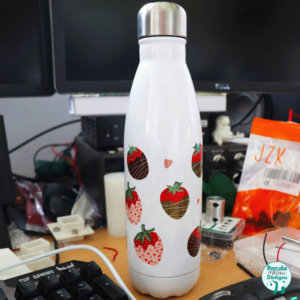
Water bottles are another great product for this season, as people start thinking about staying hydrated during walks, picnics, and days out.

They’re especially popular with teachers, students, and busy mums who want something practical but still stylish.

Design ideas can include strawberries, bees, flowers, and soft pastel colour schemes inspired by nature and outdoor adventures.

Tote Bags

Tote bags make excellent eco-friendly gifts and everyday accessories.

They’re perfect for trips to local markets, quick grocery runs, or carrying books and notebooks. I have one myself, and it’s always coming along for yet another fruit run at the supermarket.

If you sell at in-person markets, tote bags can also be very reliable sellers.

Reading-themed designs, book quotes, floral illustrations, and soft pastel artwork all work particularly well.

Makeup Bags or Small Pouches
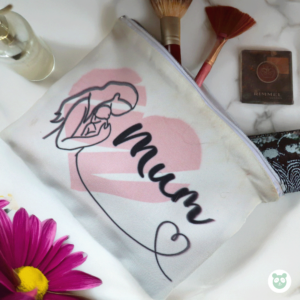
Makeup bags are easy to personalise, which makes them lovely gift options for Mother’s Day or spring birthdays.

They’re also a great canvas for delicate floral artwork, cute animal illustrations, or simple pastel designs.


My Spring Design Inspiration

Most of my inspiration comes from nature.

I enjoy going for walks and often end up taking photos of flowers, insects, or interesting colours I notice along the way. I add these images to a mood board that I use when developing new ideas

It’s also a good excuse to step away from the desk and get some fresh air — especially when I’ve spent the morning driving my son to yet another birthday party.

I also like browsing colour palettes on Pinterest. Sometimes simply looking at combinations of colours is enough to spark a new idea that I can sketch out and develop later.

Everyone finds inspiration in different places, so it’s always worth exploring a few approaches to see what works best for you.


Tips for Designing Seasonal Sublimation Products

Keep your colour palettes light and fresh

After the bold colours of Christmas and Valentine’s Day, many customers are drawn to softer tones and pastel shades.

Think about your target customer

Consider which seasonal occasions your products are suited for. Personalised gifts remain incredibly popular, so adding customisation options where possible can help attract buyers.

Plan your photography

Good product photos make a huge difference. I often wait for a bright day and photograph items outside to take advantage of natural light and garden flowers as props.


Spring Is a Time to Experiment

Spring is a reminder that creativity — just like nature — comes in seasons.

It’s a wonderful opportunity to try new ideas, explore different colours, and experiment with products you may not have used before.

Product updates don’t have to be dramatic. Sometimes, small changes or a new design style are enough to refresh your shop and keep things interesting.

Do you have a favourite product to design for this time of year? I’d love to hear about it — feel free to share in the comments below.


Spring Planning: How I Prepare My Business for the Months Ahead

Photo by Sergey Shmidt on Unsplash

A Fresh Start Feeling

It finally feels like spring has arrived here in Kent.

The mornings are brighter, sunshine streams through the windows, and the temptation to buy a fresh new notebook is very strong (even though I definitely already have enough).

After the slower, darker winter months, spring often brings a sense of reset for small handmade businesses. It’s a great time to step back, plan, and gently prepare for the busier months.

Seasonal planning helps take the pressure off. Instead of rushing to create something at the last minute, you can start thinking about new products, upcoming holidays, and social media content in advance.

So let’s grab a cup of tea and a biscuit and have a gentle look at how I am doing my spring planning in my small business.


Reflecting Before Rushing

Before I start adding to my to-do list, I make a cup of tea and look back first.

Reviewing the past few months can reveal a lot about what’s working and where things might need adjusting. I usually ask myself a few simple questions:

  • What sold well?
  • What did my customers say?
  • What were my sales trends?
  • What worked on social media?
  • What didn’t work quite as well?

Looking at both the wins and the lessons helps shape my plans for the months ahead.

This is something I’ve started sharing in my new monthly blog mini-series. Writing my February Review helped me identify what worked well and where I could improve moving forward.


Refreshing Products & Collections

Spring is also a good time to give the shop a bit of a refresh.

I review my current product range and decide whether certain designs should be retired — either because they’re not selling well or because they no longer fit the overall feel of my shop.

Sometimes a listing simply needs a small update rather than a full retirement. A new main photo with a lighter, spring-inspired feel can give a product fresh life. Updating tags to reflect what customers might be searching for this season can also make a difference.

At the same time, I like experimenting with new product ideas. Watching the flowers start to bloom always inspires brighter colours and cheerful designs.

Planning means I can explore those ideas without rushing to launch something just in time for a holiday.


Planning Content & Marketing (Without Burnout)

No, I’m not suddenly becoming someone who posts three reels a day. I’m a mum — I simply don’t have time for that.

Instead, I lightly plan my social media content in quarterly chunks. Now that we’re in March, I’ll start mapping out ideas for April, May and June.

It might sound a little early, but it helps me set realistic goals for what I can actually manage. Planning captions and hashtags ahead of time also makes posting much easier later on.

Especially when you’re standing at the playground, trying not to get dizzy while your child pushes you on the roundabout.

Looking back at what performed well on social media also helps guide future content. Which posts had the most engagement? What products did people respond to? These insights make content planning far less stressful.


Organising Systems & Processes

Spring cleaning isn’t just for the house — digital files need a bit of attention too.

Design files, drafts, screenshots and emails can quickly pile up. I have quite a few old design ideas sitting on my desktop that will probably never see the light of day again. A digital tidy-up helps free up space and makes everything easier to find.

This is also a good time to revisit Etsy listings. Updating descriptions, improving SEO, and refreshing product photos can help listings perform better.

As my shop grows, I also review my production workflow to see what could be streamlined when things get busy again.

Future me will definitely be grateful for the effort.


Financial Check-In

Sadly, I can’t ignore this bit.

With the end of quarter one fast approaching, it’s a good time to review the past three months and make sure financial records are up to date. It makes things much easier when it’s time to complete a tax self-assessment.

If trends continue, I may see a slight rise in sales in late spring and early summer. Keeping an eye on cash flow now helps make sure I have the right stock ready for those busier months.

It doesn’t have to be stressful — just a gentle review of how money moves through the business and what might be needed in the months ahead.


Protecting Energy as the Seasons Shift

Spring often brings renewed energy — it can also bring more pressure.

School holidays are approaching, and as a mum running a business from home, that can be both a blessing and a challenge.

There are moments when I’m trying to write a blog post while being asked for a snack for the fifth time in an hour. Or packing orders while helping build Sodor Island for Thomas the Tank Engine.

It’s important to leave white space in your calendar for yourself. Time to pause, reset, and recharge makes everything else easier to manage. I have a blog about this here.


Setting Intentions, Not Just Targets

Revenue goals are useful, but they’re not the only thing that keeps a handmade business going.

I also like setting intention-based goals — focusing on how I want the business to feel this season.

For example, I’d like my designs to feel more cohesive. Some older designs don’t quite match the rest of my shop, and I’d love to bring everything together into a more consistent style.

Customer service is another priority. My reviews have consistently been five stars, and I want to keep that standard without sacrificing my own energy.

I’d also like to experiment more creatively — trying colours, fonts, and sublimation ideas that I wouldn’t normally reach for.

After all, that’s where the fun is.


Growth Doesn’t Have to Be Loud

A spring refresh doesn’t mean reinventing your entire business.

Often it’s the quiet, behind-the-scenes improvements that make the biggest difference — refining processes, improving listings, or simply finding inspiration in the season.

Small changes can add up over time.

As a one-woman business powered mostly by coffee, I believe in sustainable growth. Setting a pace that works for both you and your business is far more valuable than trying to do everything at once.


Stepping Into the New Season

Spring represents renewal and gentle growth.

Why not take a quiet afternoon, grab a notebook, pour yourself a cup of tea, and sit in the sunshine while planning your own seasonal reset?

How are you preparing your small business for spring?

Feel free to share in the comments below – I would love to hear how you approach this time of year.


BlogHeader-1

My Goals for the Year Ahead (Without the Pressure)

Photo by Estée Janssens on Unsplash

Starting the year in the quiet (and the echo)

January feels… very quiet.
Especially the inbox. I half expect a digital tumbleweed to roll by any minute now.

After the emotional chaos of Christmas, followed by a suspiciously silent January, you’d be forgiven for wondering if something is broken. You refresh your emails. Check your stats. Refresh again. All while nursing a coffee and pretending you’re definitely not panicking.

But don’t worry — this is normal.

The January slowdown is something every small business goes through. It’s not a problem to fix, just a phase to move through. Think of it as the business equivalent of a lie-in. A chance to stretch, blink at the light, and ease into the months ahead with some very gentle goal-setting.


When the quiet makes you want to panic-plan

As I’ve mentioned in a previous blog post, January has a habit of triggering dramatic goal-setting. New year, new energy, new plans… all at once.

It’s lovely to feel excited about your business — especially if December went well. But instead of rushing to overhaul your branding, strategy, and possibly your entire personality 😉, why not take a step back?

Social media rarely shows this awkward in-between stage of running a small business. The quiet days. The thinking days. The “what am I actually doing?” days. So it can feel isolating — but you’re not alone. This lull is simply part of the cycle.


Remembering that small businesses have seasons too

Just like the actual seasons, businesses have rhythms. A busy December. A hibernating January. A perfectly reasonable time for your business to metaphorically sit under a blanket for a bit.

Slower months are normal — and honestly, they’re needed. The trick isn’t to dread them, but to decide how you’ll use that extra breathing space (preferably from a cosy spot on the sofa).


Choosing intentions that suit January energy

January is not loud. So your goals don’t need to be either.

Instead of diving in headfirst, use this time to ease into the year. January is low-energy, and that’s okay. Keep goals small and simple. Three or four at most. No hard deadlines. Nothing that makes you want to crawl back under the duvet.

My January energy is best described as “hibernating bear.” Slow, sleepy, and always hungry. I do a lot of gentle pottering — and honestly, that’s enough for now.


My gentle goals for the year (powered by tea and realistic expectations)

In my business

  • Steady progress. When I first started, I wanted to expand fast. It didn’t work — it just got messy (especially when done in slippers).
  • Use quiet days for thinking, planning, and mildly rearranging to-do lists.
  • Start mapping out social media campaigns around holidays and events.
  • Make space for ideas without forcing them to show up immediately.

In my workday

  • Accept that slow mornings are a dream… just not when you have a 5-year-old to get to school.
  • Enjoy that moment after the school run — watching the sun rise with a coffee feels like a small win.
  • Stop filling quiet time with pointless admin just to feel “busy” (I’m very guilty of this).
  • Log off on time. School run = non-negotiable.

In my personal life

  • Enjoy the calm instead of side-eyeing it.
  • Dedicate one weekday just for me — which has been surprisingly refreshing.
  • Ease back into routines gently.
  • Accept that rest is productive, even if it doesn’t come with a checklist.

Redefining success in a slower season

January makes comparison especially tempting. But success isn’t always measured in sales.

Sometimes success looks like building something sustainable instead of burning out before February. Slow and steady still counts.

Celebrate the underrated wins:
Fewer tabs open. Warm hands. Discovering ITVX has the full Thunderbirds and Captain Scarlet series. The popcorn-flavoured Malteser bunny being back in shops. Little wins matter too.


Letting the year unfold at its own pace

Flexibility is one of the main reasons I started my business — especially with childcare in the mix. January is the perfect time to lean into that flexibility, let things warm up naturally, and get creative again.

Of course, all plans change the moment a sale comes in. And that’s fine too. That’s business.

Goals aren’t contracts. They’re more like suggestions. Or, if you’re anything like my 5-year-old son, something to completely ignore while doing your own thing.


A cosy, reassuring close

This post-Christmas slowdown is temporary. I’ve been doing this for four years now — it happens every time, and business always picks up again.

Enjoy the quiet while it’s here. Don’t feel guilty for resting. I have a stack of books waiting for me, and I know I won’t have this kind of time later in the year.

January is for easing in. Not sprinting.
It’s okay to move slowly.

Do you have any tips for easing into a new year? Or thoughts you’d like to share? Feel free to leave a comment below or follow me on social media (links below).

Thank you so much for reading — and if you fancy it, you can read more blog posts here.


BlogHeader

A Gentle Reset: Running a Small Business After Christmas

Photo by Diganta Sonowal on Unsplash

The Quiet After the Rush

Happy New Year! There’s something oddly comforting about the quiet that follows the Christmas whirlwind. The orders slow, the inbox calms down, and suddenly you remember what a normal cup of tea tastes like when it’s still hot.

Although it wasn’t my busiest Christmas ever, it was busy enough to earn that post-Christmas exhale.

That quiet can come with mixed feelings. On one hand, I was definitely burned out from all the social media promoting. On the other hand, I was (and still am) incredibly grateful for every single sale. Then January rolls in, and you find yourself wondering where everyone went. Did they all decide to hibernate? Is it something I said?

January doesn’t have to mean instant pressure, giant goals, or a colour-coded life plan. It can be a gentle reset rather than a hard reset. A time to breathe, reflect, and softly plan what comes next. So let’s look at how to ease yourself — and your business — into the year ahead.


Allowing Yourself to Slow Down

It’s OK to rest after a busy period. It’s not laziness — it’s being gently productive.

This is especially true for mum-run or one-person businesses, because let’s be honest… you’re doing everything. Marketing, packing, posting, customer service, admin, creative work — all of it. Rest isn’t a luxury; it’s part of the job. You’ve earned it.

I used to think the new year meant new everything. New plans, new systems, new energy (preferably overnight). But not everything needs a full refresh just because the calendar has changed. Sometimes all that’s needed is a little spring clean — ideally fuelled by a spring-inspired mug full of coffee.

Reflecting on the Christmas Season (Without Overthinking It)

When I reflect on the festive season, I always start with the positives. What sold well? What surprised me?

This year, my mince pie tins were the unexpected stars of the show — selling out twice. A very nice problem to have, and a clear note to future-me to stock up properly next Christmas. Another small-but-happy moment was carrying more than one order to the post office in a tote bag. It sounds minor, but I hadn’t done that in a while, and it felt like a win.

Of course, there were challenges too. The biggest one this year was postal delays due to sickness within Royal Mail. Completely out of anyone’s control, but still stressful when you’re trying to keep customers updated and calm.

Energy was another hurdle. Constant social media posting, packing orders quickly, school runs, school events — it all adds up. By the end, I was running on fumes and festive leftovers.

Instead of trying to fix everything immediately, now is the time to jot things down and tackle them slowly. The quieter weeks are perfect for easing into improvements, rather than overwhelming yourself.

Resetting Your Workspace & Systems Gently

Confession time: my workspace is a mess.

Blank stock lives in several locations; my desk is dusty, and it’s covered in old notes that probably made sense at the time. I also need to make room for a sticker-making machine, so a slow, steady tidy is underway. The stock area clean-out, however… that’s a job I’m emotionally preparing for.

I’ve started restocking a few items (while waiting for suppliers to catch up), looking into possible new products, and doing some long-overdue organising. As mentioned, my stock situation is currently chaotic.

There are also those small-but-important admin tasks: making sure finances for 2025 are wrapped up properly, starting to organise things for 2026, and generally getting my systems back into a calmer rhythm.

Reconnecting With Why You Started

Tidying your space can do more than just make it look nicer — it can help reconnect you with the why behind your business.

During busy, stressful periods (hello, Christmas), it’s easy to lose sight of that. When I start to doubt myself, I look at the photo on my desk of my son and his dad. It reminds me why I do this — to be present, flexible, and spend more time with them. That reminder makes everything feel worth it again.

If you run a creative business, getting back into the creative flow after a break can feel tough. I’ve found browsing Pinterest really helpful — and not always with the intention to create something sellable. Making something just for yourself can be incredibly restorative (and much better for your mental health).

It also takes the pressure off constantly needing to produce something new, easing you gently back into the rhythm ahead of spring.

Setting Soft Goals for the New Year

I’ve already shared a separate post about my business goals for the year, focusing on seasonal ranges, better planning, and flexibility — because life will happen. Especially when school-aged kids bring home the latest bug.

Rigid goals can feel restrictive and often lead to unnecessary guilt. Intentions are far kinder than hard deadlines. Aim for consistency over perfection — future-you will thank you for it.

Gentle Planning for the Months Ahead

January is the perfect time to look ahead to spring. Mother’s Day, Easter, and other gifting occasions benefit so much from early, relaxed planning.

Using January and February as preparation months means ideas can develop without panic. It’s also a great opportunity to get ahead with social media planning — teasing spring launches, slowly building momentum, and easing your audience (and yourself) into the new season.

Giving Yourself Grace as a Small Business Owner

Progress doesn’t have to be loud or fast.

Energy levels change throughout the year — sometimes they dip, sometimes they disappear entirely. That’s normal. Balancing business, family, and everyday life is no small task, and it’s OK to slow down and breathe.

A sales slump doesn’t mean failure. It means a pause. Things will pick up again — they always do.


Conclusion – A Calm Start Is Still a Strong Start

Moving forward at your own pace is still moving forward. A gentle reset is still a reset — no need to charge headfirst into the year and give yourself a headache.

So grab a cup of tea, a choccie biccie, and allow yourself a calm start to 2026. You deserve it.

I’ve been doing this for nearly four years now, and those quiet starts still test me some days. But I’ve learned they’re the perfect time to reflect, reset, and breathe before the next busy season arrives.

Thank you for taking the time to read. Feel free to share your experiences in the comments, or come and say hello over on social media (links below).

Until next time… enjoy the calm (and the last of the Christmas biscuits).


BlogHeader-2

From Hobby to Business: How I Turned My Passion into Profit

Photo by Giulia Bertelli on Unsplash

Welcome

Hello and welcome back to my blog and website! I’m Charlotte, the face (and messy mum bun) behind Panda Motion Designs. I sublimate my hand-drawn and digital illustrations onto sublimation blanks, which then find their forever homes in my Etsy store.

I’ve always been a creative soul. My mum loves telling people how I started drawing the moment I could physically grip a crayon and would happily sit for hours doodling away. I pretty much knew early on that I wanted a job in the creative industries.

What I didn’t know was that I’d eventually be running my own small business from home. So… how on earth did that happen? Grab a coffee, grab a biscuit (or two—no judgement here), and let’s dive in.


Where It All Started

I’ve always been a daydreamer with a wildly overactive imagination, so it felt natural to start turning those daydreams into something I could actually see on paper. Once I started, I never really stopped.

Drawing became my little bubble of calm. It helped me switch off from the world, especially when school was difficult, and bullying made everything feel heavy. Putting pencil to paper gave me a sense of control and a way to create something beautiful out of what was not a particularly beautiful day.

I started with pencil drawings, but with some gentle nudging from my mum, I tried watercolours—and loved them. That’s also when I fell in love with painting flowers, animals, and anything inspired by the natural world.

The Turning Point

It had genuinely never crossed my mind to sell my artwork. It was my husband who planted that seed.

Before all this, I worked as a freelance motion graphics designer and video editor. Then COVID hit. I had my son, and when I eventually felt ready to return to work, all my clients had reorganised and no longer needed me. Childcare-friendly work was impossible to find.

One day, my husband watched me drawing with our son and said, “Why don’t you use sublimation and put your artwork onto products?” I wasn’t convinced at first. I’d seen plenty of artists struggle to get even a single sale. But he believed in me, and with his support, I leapt into the chaotic, exciting, wonderful world of small business.

Taking the First Steps

The beginning was full of research. What should I price things at? Which materials should I use? How do I photograph products without them looking like abstract modern art? And what even is SEO?

I built up my Etsy store slowly—learning how listings worked, navigating Etsy fees, working out branding, and setting up my social media accounts. Etsy itself was surprisingly easy to get started with.

Mistakes? Oh, I made plenty. My personal favourite disaster was massively undercharging for postage on a mug going to the USA. Let’s just say I did not make a profit that day. But every mistake taught me something, and the learning curve was absolutely worth it.

Building a Brand

Branding matters—a lot. In today’s fast-paced digital world, you need something recognisable, clear, and consistent. I stuck with my original business name from my contracting days and kept the same colour scheme. It made everything—from my packaging to my social media—feel cohesive and intentional.

Growing an Audience

knew social media was going to be key. I started with Facebook, Twitter/X, and Instagram. Facebook and Instagram grew steadily; Twitter… didn’t. So I closed the Twitter account and doubled down on what was working.

Later, I added Pinterest and TikTok. Reels and TikToks have been my best-performing content by far. I’ve now got lovely repeat customers who leave reviews, and offering returning-customer discount codes has really helped keep momentum going.

Turning Passion into Profit

Learning to price realistically has been one of the hardest parts. I still reevaluate my pricing at least once a year to make sure I’m not undervaluing my work—or scaring people off. In this current financial climate, it’s a balancing act.

Once I had over 10 products, I started seeing patterns in what people were most drawn to. That helped shape what new items I created and which designs I focused on.

Challenges Along the Way

When I launched the business, my son was one and had just decided that naps were optional (tragic). I worked around swimming classes, nursery days, and the usual chaos of parenting. Time management was… interesting. My first Christmas season felt like a sitcom where I was trying to print, press, package and post orders while chasing a toddler moving at warp speed.

Planning became essential. I did orders during nap time or in the evenings, and saved design work and social media for nursery days. Now he’s at school, I have more breathing room, but I still rely heavily on my weekly planner.

Proud Moments & Milestones

My first sale came the day after I opened. Yes, it was a friend of my husband’s—but a sale is a sale, and I was thrilled. Slowly, more orders came in. Some items even sold out quickly, and Christmas was absolutely wild in the best way.

Reviews rolled in, my social media grew, and the encouragement pushed me to keep creating and expanding my range of illustrations.

Tips for Others Wanting to Do the Same

Thinking of turning your hobby into a business? Do it. Seriously—give it a go.

Here’s what I’d suggest:

  • Research the market. Look at Etsy and other platforms. What’s already out there? What can you bring that’s unique?
  • Be patient. You won’t make millions overnight (if you do, please tell me your secrets).
  • Start small. Pick a handful of products to begin with and grow slowly.
  • Work for that first sale. It rarely just lands in your lap—you’ve got to promote, post, tweak, and test.
  • Embrace the learning curve. You’ll make mistakes, but they’re stepping stones, not setbacks.

Most importantly: you’re worth the effort. Really.


Conclusion

Since launching my shop in 2021, I’ve made over 2,000 sales and currently have 86 live listings. I never imagined getting this far, this fast—or that I’d be heading into my fourth year of trading. I owe so much of it to the support of my husband… and now my son wants to start selling his artwork too!

I’m excited to see where things go next. I’m hoping to expand into laser-cutting designs, and my husband has hinted that Santa might deliver a new machine (fingers crossed). I have also considered a little plushie collection for Valentine’s and Mother’s Day.

If you’d like to follow along with my journey, come join me on social media.

And tell me—what are you passionate about? Share in the comments below!


The Importance of Rest When You’re a One-Woman Business

I’m definitely one of those people who struggles to switch off. You know the type — the brain that decides bedtime is the perfect hour to track sales, plan the week, fix the world, and rethink every decision you’ve ever made. And when it’s a busy time of year or sales go a bit quiet, that mental hamster wheel spins even faster.

And if you’re a mum or parent on top of that? Well, then it’s double trouble. It’s hard enough trying to rest without remembering the Nativity costume that still needs sorting, or realising the PE kit is absolutely not ready for the after-school club on Monday. Because of course it isn’t.

So… how do we rest? And why do we even need it when our to-do list is already three miles long?
Let’s take a look.


Physical Benefits

We’ve all been there — the tired, achy shoulders, tension headaches, stiff neck, and the general “I’m too young to be creaking like this” vibe. Without proper rest, your body can’t repair or recover. And if you ignore the signs for long enough, your body will eventually slam on the brakes for you.

If you’re anything like me, and your day starts with the school run, followed by the walk back, and then a home workout (why do we do this to ourselves?), your body has already lived a full life before 10 am. And that’s before you even sit down to process orders. It’s no wonder our bodies need a chance to reset.

So why is resting beneficial?
Because rest is crucial for muscle recovery, it helps your body adapt, rebuild, and keep your immune system in top form — very handy when the kids bring home their weekly winter bug from school. And hey, the stronger you are, the more orders you can carry to the post office. Win-win.

Mental Benefits

You know those days when everything happens at once? Orders coming in. Stock levels dropping. A customer is messaging about a damaged item. And then — of course — the school is emailing again about another charity event, which means rummaging through the house for loose change like it’s a treasure hunt you never volunteered for.

When it piles up, your brain short-circuits a little. You forget things, you can’t think clearly, and your emotions start steering the ship. This is how we end up processing orders incorrectly, snapping at the nearest innocent bystander, or forgetting something important.

So why is resting beneficial?
A good night’s sleep (or a nap, if your little one still treats 3 am as social hour) helps your brain process and store everything from the day. It boosts clarity, allowing you to communicate better with customers. And regular rest keeps your mood steady, helping you tackle the daily family chaos with something resembling patience.

Prevent Burnout

And when you mix all of the above over a long stretch of time, you get the dreaded burnout.

Burnout looks different for everyone, but the usual signs are constant tiredness, zero enthusiasm, and imposter syndrome lurking like an uninvited guest. It makes running your small business and parenting feel impossible. Push it long enough, and it can even make you ill, which is your cue to step back and breathe.

So why is resting beneficial?
Because breaks reduce stress and help stop that overwhelmed feeling before it snowballs. Regular rest builds a more positive mindset and helps you recover from both mental and physical fatigue. Which means you can run your business with more joy… and maybe even survive the inevitable teeth-brushing tantrum


Final Thoughts

At the end of the day, rest isn’t a luxury — it’s a necessity. Especially for those of us juggling school runs, small businesses, endless emails, and children who somehow generate more admin than a full-time job. Permitting yourself to slow down isn’t “slacking”; it’s making sure you can keep showing up as the parent, maker, creator, and all-around superhero you already are.

So take the nap. Say no when you need to. Step away from the orders for half an hour. Your body, your mind, and your business will thank you — and honestly, so will anyone within a five-metre radius of the next teeth-brushing tantrum.

Remember: a well-rested you is a better-equipped you. And you deserve that.

Please take a look at my other self-help posts on my blog or visit my Etsy store. Let me know what you think.


How I Plan My Product Launches (Without Losing My Mind)

Photo by Thomas Bormans on Unsplash

Product launches is a major part of running any product-based business. It can be exciting but nerve-racking.

So, how do you plan a product launch without losing your mind? Let me share with you my step-by-step guide to how I do it.


1. Design Work in Progress

Most of the time, I start with the design itself. It might be a quick sketch in my notebook, a rough layout on my tablet, or even an early concept on Adobe Illustrator.

I usually begin promoting at this stage too. Sharing early progress on social media helps build engagement and interest before the product is even finished. WIP Wednesday is perfect for this—it comes around most weeks, and it’s a great excuse to show what you’re working on.

People love seeing how things are made. Process breakdowns, time-lapse videos, messy sketches—social media eats that up. It’s a simple way to attract more eyes to your brand while giving potential customers a behind-the-scenes look.

2. Design Update/Teaser

As the design changes and evolves, I like to share updates. It’s another chance to showcase the creative process, and honestly, people enjoy seeing the transformation from sketch to final product.

Most of the time, I use the #WIPWednesday tag, but I never force daily updates—they’re not necessary and they just add pressure. Taking your time means you can refine the design properly without feeling rushed.

I also don’t set hard deadlines for my artwork. It keeps things calmer, more enjoyable, and ultimately gives me space to get things right. Testing designs on various products and sharing photos can also help customers imagine what they might want to buy.

3. Teaser

Once the design is refined and the product is ready, I share a little teaser—usually just a tiny snippet of the final piece. Often, it still has heat tape on it or is sitting next to the press, paired with a simple “coming soon…”

Adding a countdown can really help build excitement for release day. It gives people something to look forward to, and they’re more likely to return and place an order on launch day.

With my Witchy Cat design, there was so much early interest that I offered an early-access list with a special discount code. It wasn’t a huge list, but it was a great way to gauge the product’s potential popularity.

4. Final Release and Promo

And then we get to the final (slightly nerve-racking!) part: release day.

Your listing is live, your photos look great, your captions are ready—and it’s go time.

If you know when your audience is most active, try posting around that time to maximise your reach. I also like offering a small launch discount for a day or two to encourage those first sales.

Most importantly, share your creation proudly. You’ve put the work in—enjoy the moment!


Conclusion

Sometimes a product launch does not go to plan. It happens. Something you thought would be a good or even best seller ticks away quietly. It can be disheartening, especially after putting in so much time and effort into something you love.

However, don’t let that deter you!

Keep going. Get your designs out there and share them with the world. The small business community is amazing, and I have found so much support and cheerleaders who will support you for everything.


Well, I hope that gives you an idea of my thinking process when it comes to launching a new product. I have been doing this for nearly 4 years now, and I still get nervous about launching a new product or design.

It has its ups and downs. Some products receive an amazing response, while others elicit little to no response.

But to quote Chilli Heeler, “…Pick yourself up, dust yourself off and keep going!”


What do you think?

Leave a comment below, or feel free to follow me on social media. Why not check out my other blog posts?

Until next time…


Top Mistakes I Made When Starting Sublimation Printing

It’s so easy to jump straight in and start doing things right away, especially when you’re excited and can’t wait to get going. I did the same!

After a few weeks, I found myself thinking, “Why did I do that?”, “Why didn’t I do that?”, and “Well, that wasn’t my smartest move.” So, let’s take a look at the mistakes I made when I first started with sublimation printing.


Rushing

It’s so tempting to rush into your first listing or sale — I did exactly that! The first thing I made went straight up, and now I look at it and think, “Really?”

When you’re starting with sublimation, take the time to refine your designs and get to know your process. It’s easy to jump in, but even easier to make mistakes — smudges, ghosting, faded prints, you name it.

I rushed a few designs and ended up wasting mugs and cringing at the results. So trust me — slow down, test things out, and get comfortable with your equipment. You’ll save time, money, and a lot of frustration later on.

Under Pricing

I honestly didn’t think I should be charging what I should have done at the beginning. I lost quite a bit of money in the first few months.

It’s not just the cost of materials; it’s the packing costs, the cost of time to print, press and parcel, it’s undervaluing your talent, and of course, Etsy’s charges take a cut of your sales.

Research others on Etsy or other market platforms and see what their pricing is. It can help you give a good idea of what your work should be pricing your work.

Lack of Prep for Christmas

I mean, oh my goodness! This was a big one. I thought people were crazy doing their Christmas planning in July. Did I learn a big lesson?

Christmas orders smacked me in the face hard in September, I ran out of stock for Binary Code mugs, LCARS wall plate and another Christmas, my Coffee Decoration.

I also left it too late to upload new designs and products, so they never got the views or sales they should have gotten. So make sure you start behind-the-scenes prep work early. And earlier than you think.

Incorrect Postage

I didn’t do my research — simple as that. I should’ve weighed my products, checked the postage costs on my carrier’s website, and added that to my pricing or listed it accurately.

Because I didn’t, I lost my very first mug sale to the USA when the shipping turned out to be way higher than I expected. It was an expensive lesson! So don’t guess the weight — grab your kitchen scales and get it right from the start.

Equipment I Didn’t Need

My husband bought me sublimation equipment for my birthday, and it came with loads of extras and add-ons that felt so exciting at the time. I had presses for baseball caps, plates, bowls — even ones for tapered products like travel cups.

Now, all of it just sits above my flat press — unused and untested. My husband thought it’d be handy to have “just in case,” but now it’s only taking up space. I wish I’d stuck with the two mug press sizes and a flat press, then added more later if I needed them.

So start with the essentials, and build up as you go. Otherwise, you might end up with expensive dust collectors sitting in the corner!


Conclusion

I hope that was insightful and helpful. It is daunting to start a small, creative business.

What are your top mistakes? Use the comment section below.

Until next time.


BlogHeader-3

5 Lessons My Kids Have Taught Me About Business

Photo by Ben Wicks on Unsplash

I started my small business in 2021 after having my son in 2020. I struggled to return to my contract job, particularly in finding a balance with childcare. Since then, I have grown not only as a mum but also as a small business owner. Let’s explore the five important lessons my son has taught me about running a business


1. Failures are a Part of the Journey

That moment when a child takes their first solo steps is unforgettable and becomes a cherished memory. However, the journey to that moment is filled with ups and downs—lots of falls, frustration, and tears. Running a small business is very similar.

Operating a small business from home is rarely smooth sailing. There are tantrums over technology failures, frustration when a design doesn’t come together, and tears when Royal Mail loses your package. Yet, the final results will make all the challenges worthwhile.

2. Play is Important

For kids, there is no yesterday or tomorrow—only the present. They exist in the moment, which is often filled with intense activities like car racing or flying planes (I have a boy, so I don’t get to play with ponies). In the world of business, taking breaks is crucial.

It’s easy to experience burnout, especially when you focus on all the tasks you need to complete tomorrow or when you think about things from yesterday that you need to address today. However, taking time to be present is essential. Whether it’s driving Lightning McQueen around on the carpet or simply sitting outside with a book, carving out time for yourself is important

3. Show Everyone What You Have Done

There is a special kind of pride that little ones exhibit when they run up to show you a picture they’ve created. Even if it’s just a brown blob on a piece of paper, they present it with confidence, and you can’t help but agree that it is indeed the most amazing piece of art ever made. This sentiment applies just as much to running a business, particularly a creative one.

Sharing something you’ve poured your heart and soul into can be daunting. The fear of facing rejection or being overlooked can trigger significant anxiety. But you should go for it! Present your work to the world and take pride in what you’ve accomplished. Someone will appreciate it, and then another, and another. Stand tall with a big smile and say, “Look at me! Look at what I created!”

4. Negotiation

Anyone with a toddler or a teenager will understand this struggle. My negotiating skills are truly tested when my son tries to convince you that they need to go headfirst down a slide, and you have to negotiate a safer way to play.

These skills can be quite helpful in business, especially when dealing with customers. Whether they are negotiating a discount for a wholesale order or requesting a custom design, it’s important to remember that customers are not as tough to negotiate with as a 5-year-old trying to get a new toy car.

5. Nap Time is for Babies

This made me laugh. When my son turned two, he boldly declared that naps are for babies. As a result, he started resisting naps at home, although he did take nice naps at nursery.

I’m not one of those people who believe that “you snooze, you lose.” That idea is nonsense. Resting doesn’t make you a loser; in fact, it’s quite the opposite.

However, not promoting your brand, failing to post regularly, and neglecting to update your listings can make it seem like your store is on “nap time.” To keep everything active and attract customers, stay on top of social media, update your listings frequently, and refresh your tags for SEO. This will help wake everything up and draw in more customers.


Many thanks for taking the time to read my blog. What lessons have your kids taught you? Please feel free to leave a comment below.

You can also follow me on social media.

Until next time… keep shopping small.


BlogHeader-2

Behind the Scenes: How I Design and Print My Autumn Collection

Photo by Elena Mozhvilo on Unsplash

Autumn is now in full swing. It’s the time to get cosy and warm at home as the rain gently taps the window.

You can probably guess that this is my favourite time of year. I find Autumn more inspiring and creative than I do spring or even summer. And I think that is reflected in my Autumn Collection.

I added some new products a few weeks ago, which you can view here. But let’s take a look at my creative process behind the designs.


Inspiration

Inspiration can come from anywhere. Most of my inspiration comes from when I am being creative myself. I like to switch off and do some digital design or a mindless doodle, and sometimes an idea arrives and I note it down in my notebook or in my phone if I am out and about.

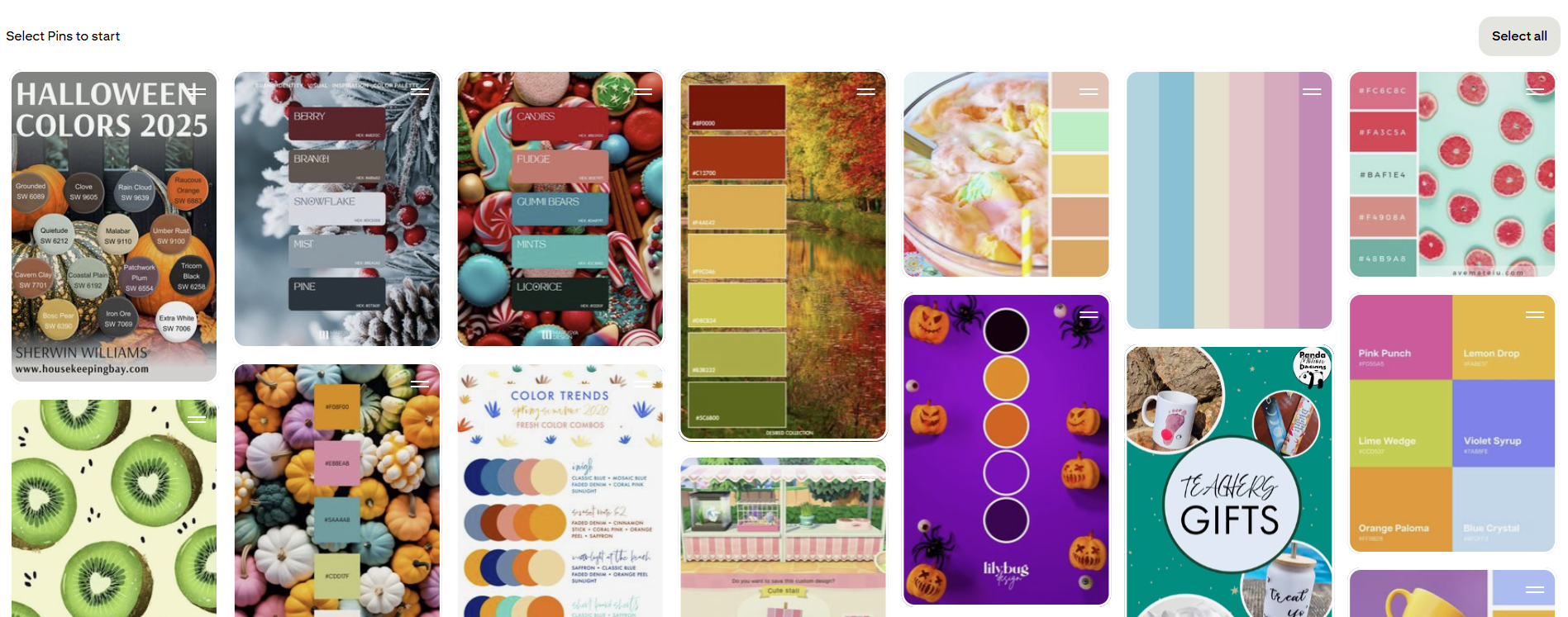
But what I really like to do is scroll through Pinterest looking at colour palettes, or finding some funny sayings or puns. I avoid looking at other people’s artwork as that could lead to copying, and that is something that I would like to avoid. (Obviously, a like on that pin is a bonus to that artist) And AI image generation is also a big no-no.

Autumn is great for colour. You have so many warming oranges, cheery yellows and fiery reds to inspire.

A screenshot of some colour palettes on my Pinterest

Framework

This is when the sketchbook or notebook comes out. This is the point where I start to gather in reference images (if needed), the colours, and start planning which product this design would be pressed onto.

Now is the time to begin the early sketch. The basic shapes and positioning are the main focus. Detail comes later, keeping in mind how this design will sit on the sublimation products.

I like to have references; it helps keep me focused and ensures proportions are correct, as well as helps with poses. Definitely needed for my Cat tote bag. Nothing beats curling up in your big autumn jumper, with a hot drink and drawing a peaceful Autumn vibes image.

Using colour palette for a design.

Creation

Time to refine and build up the details. Once I was happy with the final drawing or digital design, it was time to put it into Photoshop to resize and define the image to fit onto the product. I would also sometimes tweak the colour slightly, as it does come out dull in the sublimation printer, but once pressed, it is very vivid, and some colour enhancement can really help the colour pop.

The final step is to use the heat press on your test product. This can be quite a nerve-wrecking part of the process, as I have already put in so much time and effort on these designs, it can be disheartening when it doesn’t come out as you had hoped.

I have to say, orange is one of the best colours to see after a press is one of the best things about doing sublimation because it just gives an immediate warmth.

And now it’s ready to upload to Etsy


Many thanks for taking the time to read my blog. I hope this has been a helpful insight into my creative process. Please feel free to leave a comment below.

You can also follow me on social media.

Until next time…keep shopping small