
How I Plan My Workdays Around School, Family & Energy Levels

Photo by Markus Spiske on Unsplash

Introduction: Being Your Own Boss Is a Scam (But a Nice One)

Running your own business is sold as freedom. You’re your own boss. You make the rules. You take control of your life.

Then you accidentally become the kind of boss who never gives you a day off.

What no one really tells you when you start a small business is that you’re not just the CEO. You’re also the creative director, marketing department, customer service team and IT support — mainly because you’ve forgotten your Etsy login details again and refuse to reset the password on principle.

This isn’t a productivity method or a five-step routine designed by someone who wakes up at 5am and drinks celery juice. This is simply how I stop my brain from powering down at 2pm.

So here’s how I plan my workdays around school, family and energy levels (spoiler: it involves coffee).


School Hours: The Only Deadline That Actually Matters

No planner, app or “just wake up earlier” advice has ever survived contact with the school timetable.

If you’ve ever done the school run — either as a parent or a former pupil — you’ll know that drop-off and pick-up times are the most immovable objects in the universe. Yes, sometimes my son has after-school clubs. Yes, sometimes he asks to stay at wraparound care to hang out with his friends.

But still. There is a hard stop to the day where you must retrieve your small human.

Everything else around those times is flexible, negotiable and occasionally ignored (I see you, enormous laundry pile). Because of that, I’m careful to set realistic tasks during school hours — things that actually fit into that window, rather than pretending I have an uninterrupted eight-hour workday like a Victorian factory owner.


Energy Levels: The Real Boss (I Just Work Here)

Coffee. That’s it. That’s the section.

Only joking. Mostly.

Some mornings I wake up full of confidence and creative enthusiasm, brimming with ideas and fully convinced this is the week everything clicks into place. Other mornings I open my laptop and stare at the screen like it’s personally wronged me.

Both are completely normal.

So instead of fighting it, I plan my work around my energy levels:

  • High energy: designing new products, writing, planning launches, convincing myself this idea will absolutely work
  • Low energy: packing orders, answering emails, tweaking listings, staring into the middle distance while Photoshop or Illustrator loads

What I learned the hard way was not to force creativity when the energy just isn’t there. It only leads to frustration and designs that don’t meet the standards I’ve set for myself.

Some days the most productive thing you can do is curl up on the sofa with a hot cuppa and be kind to yourself.

(If this sounds familiar, I’ve written more about this in A Gentle Reset and learning to embrace low-energy days.)


The To-Do List: A Place Where Dreams Go to Be Moderated

I do have a big, ambitious master list of business goals for the year. It’s full of dreams, plans and ideas that feel very exciting when written down.

My daily to‑do list, however, is much smaller and far more realistic.

I focus on small, achievable tasks that move the business forward bit by bit — and, crucially, can be completed before the afternoon school run. Small goals build into bigger ones, and they’re much less likely to make me want to lie down dramatically on the floor.

Daily tasks might include checking eRank for keyword trends, replying to emails, tweaking a listing… or blocking out time to design an entire new product range. Some days are tiny steps. Some days are leaps. Both are valid.


The School Run: A Built-In Intermission

Whether I like it or not, the school run splits my day neatly into two halves.

Mornings are for coffee, creativity and attempting to coax my brain into action — all while glaring at the laundry pile and wishing the mice from Cinderella would finally show up and earn their keep.

Afternoons tend to be more practical: packing orders, marketing, blog planning and all the necessary-but-not-thrilling admin tasks that keep the business running.

Creativity, I’ve learned, is fragile. It needs to be handled like a rare houseplant. Gentle care, regular attention and absolutely no shouting at it.

It can’t be rushed — and it certainly won’t thrive if you bully it.


A Completely Unfiltered Small Business Workday

A typical day might include:

  • Creating something I genuinely love
  • Packaging orders with care and tissue paper
  • Catching up with some of my fellow small business owners.
  • Snacking (professionally)
  • Ending the day tired but oddly satisfied

Some days I move the business forward. Some days I maintain it. Some days I simply stop it from falling over.

All of it counts.


Boundaries When Your Office Is Also Your House

If you’re anything like me, most of your business lives on your phone — which means work is always right there.

It’s dangerously easy to think, “I’ll just do one more thing,” and accidentally work your way straight into burnout. I’ve been there. Repeatedly.

Closing the laptop or putting your phone in another room isn’t giving up — it’s a business decision. You’d set boundaries in a traditional job, so your small business deserves them too.

Rest isn’t a reward. It’s part of the process.


When Small Business Brain Fully Takes the Wheel

You know that feeling of having 20 tabs open and no idea where the music is coming from? That’s me in full business mode.

Pinterest is open for colour inspiration. Social media is open for reel ideas. I’m halfway through convincing myself I need a rebrand (again). Shop stats are being checked. Into The Fog Vlog playing in the background. Everything is happening at once.

When this happens, breaks are essential — usually involving snacks or green tea. I also come back to my weekly planner on my desk, which gently (and sometimes firmly) brings me back down to earth.


What This Has Taught Me (Mostly the Hard Way)

Sustainability is elite.

Going full force all the time isn’t impressive — it’s exhausting. A quiet day is still a productive day. Running a business alongside family life isn’t about doing everything at once; it’s about strategy, flexibility and knowing when to step back.

It’s easy to lose yourself in your business, and just as easy to lose yourself in parenthood. Be kind to yourself. Your business will still be there, ready to welcome you back with fresh ideas.


Closing Thoughts: You’re Doing Better Than You Think

Congratulations. You ran a small business today and remembered school pick‑up. Win‑win.

This isn’t about perfect routines or colour‑coded planners. It’s about finding a way of working that fits your life. Keeping things simple makes it easier to stay flexible — especially when energy levels change.

And always, always making room for a hot cup of tea.

Do you have any gentle, realistic ways you plan your workdays around real life? I’d love to hear them. Why not leave a comment below. Or follow me on social media.


BlogHeader-3

Looking Ahead: My Goals for My Business in 2026

Photo by Firmbee.com on Unsplash

Merry Christmas

It’s Christmas week, and as we recover from the festive cheese-and-chocolate overload, it’s the perfect time to reflect on the past year and plan. As a small creative business owner, the end of the year always brings a mix of wins, challenges, and lessons learned. In this post, I’m looking back on 2025 at Panda Motion Designs—what worked, what didn’t, and how I’m setting goals and plans for my small business in 2026

2025 has definitely been a mixed bag. The year started with the blow of losing EU customers due to GPSR, followed by the ongoing chaos of USA tariffs, which brought plenty of financial uncertainty. As a result, sales weren’t quite as strong as in previous years. (I talk more about this in my 2025 Business Goals blog post)

Planning for the year ahead helps me track progress and stay focused on where the business is heading. So grab one of the last remaining mince pies, and let’s get planning.


Strengthening My Brand Identity

I refined my logo for a bit more impact and spent far too long researching colour combinations and fonts. In 2026, my goal is consistency—especially with packaging. Branded stickers might finally be happening, helping everything feel more cohesive across products and platforms.

One thing I’m especially proud of is my customer experience, which is reflected in my reviews. That’s something I’ll absolutely continue to prioritise in 2026.

Expanding My Product Range

Home décor and book-themed products will always be at the heart of my shop, but I’d love to expand further into gifts. I’ve been eyeing some plush toys from a supplier that could work beautifully for Valentine’s Day or Mother’s Day.

Up until now, I’ve mainly focused on Autumn and Winter/Christmas collections. Spring and Summer have been a bit neglected—oops. That’s changing in 2026. I’ll be planning and researching seasonal collections and sharing design updates on social media to gather feedback (and boost engagement at the same time)

Elevating My Online Presence

It’s officially time to review some of my older products. A few have never had a favourite, let alone a sale, so it may be time to lovingly say goodbye and replace them with designs that better fit my current style. SEO has always been a challenge for me, so improving that will be a big focus to help boost visibility and sales.

On social media, video continues to be king. I want to create more educational content, time-lapse videos, and behind-the-scenes glimpses of artwork in progress. I’ll also be writing more blog posts about life behind the scenes—juggling motherhood and running a small business.

Streamlining and Improving Processes

First on the list: clean my desk. Yes, really. I share an office with my husband, and chaos reigns. A tidy workspace should help me focus better and stay organised.

I’ll continue using weekly planners and diaries to set goals and stay on track. Inventory management also needs improvement—I sold out of products this year simply because I didn’t realise how low my stock was. Lesson learned, especially after the festive rush.

Building Stronger Customer Connections

On social media, I want to be more present—replying to comments, engaging in conversations, and being approachable. I’d love my platforms to feel welcoming rather than salesy.

I’ll also be sharing more engagement-style content like polls and questions, focusing on lifestyle vibes rather than constant product promotion. Less “buy this,” more “here’s how this fits into your life.”

Growth Through Sales & Marketing

My goal for 2025 was to grow from 1,800 to 2,000 sales—and I hit that target by autumn 🙌. Overall, I made around 240 sales this year.

For 2026, my aim is 300 sales, which feels like a realistic and healthy step up. I also want to expand my seasonal campaigns. Autumn and Christmas are well covered, but Spring and Summer—especially Mother’s Day and Easter—need more love.

I’m also exploring selling beyond Etsy. I’ve applied to become a wholesale supplier and am considering TikTok Shop as another way to reach new customers.

Learning & Personal Development

Keeping skills up to date is essential for creatives—especially in today’s fast-moving, AI-filled digital world. I’ll continue learning through tutorials, drawing regularly, and improving my marketing knowledge.

More than anything, I want to lean back into creativity. Less pressure on sales, more focus on refining my art and building confidence in my designs.

Dream Goals (If Everything Goes Perfectly!)

If the stars align, here’s what I’d love to achieve:

  • Make 300 sales in the year
  • Increase visitors to my website
  • Expand further into laser cutting (and maybe beyond)
  • Create more curated, intentional designs

Conclusion

I am excited to see what will happen in 2026. I look forward to being more creative and finding new ways to grow as a business and as a person. So many potential opportunities could arrive in the coming year, and I can’t wait to see what they will be.

What are your business goals for 2026? Why not stay up to date with my journey by following me on social media? See links below.

Until next time…Have a Happy New Year.


BlogHeader

How Becoming a Mum Made Me a Better Business Owner

Photo by ergonofis on Unsplash

I became a mum in 2020, and I knew it was going to change my world — but I didn’t realise just how much. Not only did it reshape my personal life, but it also shifted everything professionally. I went from well-paid contract work as a Motion Graphics Artist to, suddenly, a mum running a small business from home.

While many people talk about how hard it is to juggle motherhood and business, far fewer mention how becoming a mother can actually strengthen your business skills. In fact, it can transform the way you work, think, and grow.

With that in mind, let’s dive in.


1. Motherhood Rewrote My Priorities (In the Best Way)

Becoming a mum forces you to focus on what truly matters. As a result, because time is so precious now, you start making decisions more quickly and with more intention. In those quiet 2 a.m. feeds, when your mind wanders, you begin to imagine new ideas for your shop or spot a product online that could make a wonderful addition. Before you know it, every small thought feels like a step toward building a brighter future for your family and your business.

2. Time Management Became a Superpower

I’ve always loved planning. At university, my diary was practically glued to my hand, filled with deadlines, colour-coded notes, and weekly targets. That mindset followed me into my career. But when I became a mother, it shifted into full-blown superwoman mode.

The nap-time hustle became my new routine. No time to waste—just a focused sprint to process orders, prep shipments, and squeeze in a cup of tea because even that had to be scheduled. Over time, I streamlined my workflow, simplified my processes, and learned to make every minute count.

Despite having far less time, motherhood made me more effective, not less.

3. I Learned the Power of Saying No

Saying “no” can feel uncomfortable, especially when you’re building a business from scratch. However, motherhood teaches you quickly that boundaries are essential. For instance, saying no to the wrong opportunities clears space for the right ones. Similarly, saying no to overworking protects you from burnout. Ultimately, saying no without guilt keeps both you and your business healthy.

In the end, a mum should never feel bad about setting limits. After all, protecting your energy is just as important as protecting your business.

4. I Became More Creative and Resourceful

A Mum’s life is one big improvisation, and it often sparks the best kind of creativity. Even mums who don’t feel creative constantly come up with clever ways to keep little ones engaged. And sometimes, your child surprises you with the inspiration instead.

One day, my son came home from nursery with the sweetest reindeer painting made with his footprints. It was an instant lightbulb moment—why not turn it into a keepsake? And that’s how my children’s artwork mug product was born.

It’s amazing how everyday moments of motherhood can transform into meaningful business ideas.

5. I Found a New Level of Empathy

Motherhood deepened my understanding of people in a way I had not expected. I became more patient, more compassionate, and more aware of the unseen struggles others might be carrying. It’s easy to judge someone at face value, but motherhood reminds you that everyone has something going on behind the scenes.

This shift made customer interactions more heartfelt and genuine. And in a world where AI is increasingly handling communication, that human touch matters. Listening, empathising, and connecting create a much better experience for the people who support your business.

6. My ‘Why’ Got Bigger

Motherhood brought a new sense of purpose, and inevitably, that spilt into my business.

I won’t go into too much detail here—you can read more about it in my About Us section—but when I couldn’t find work that fit around childcare, I decided to start something of my own. I didn’t want my son to see me without direction or passion. To model ambition, creativity, and independence.

I wanted to show him what it looks like to build something meaningful and take pride to it.

7. Stop Chasing Perfect

I’m a perfectionist by nature. If something doesn’t turn out exactly as I imagined, I feel it deeply. But motherhood taught me that done is better than perfect. My son doesn’t care if the cardboard firehouse I make is flawless—he cares that it exists and that we built it together.

Letting go of perfectionism has helped me grow more quickly, be kinder to myself, and show up with more authenticity. Imperfection became a source of confidence, not a flaw.

8. Community Became a Lifeline

Community truly is everything. While motherhood can feel incredibly isolating, building a business around nap schedules can make you feel even more detached from the outside world. Thankfully, joining several small business communities changed that for me.

Within these groups, there’s one core value everyone shares: support. There’s no competition, no judgment—just connection. Together, we lift each other up, collaborate, and share the load of both business and everyday life. I’m so grateful for the friendships and encouragement I’ve found; in many ways, it’s like having a personal cheerleading squad that always understands the juggle.

Ultimately, there is so much strength in connection.


Conclusion

Motherhood is a life-changing and amazing thing to experience. Not only did it change my life, but it also transformed my business for the better.

So, I encourage you, fellow business mama: focus on your strengths and not your limitations. You are amazing — let the world see it.

Finally, how has parenthood shaped your business journey? Let me know in the comments below.


The Importance of Rest When You’re a One-Woman Business

I’m definitely one of those people who struggles to switch off. You know the type — the brain that decides bedtime is the perfect hour to track sales, plan the week, fix the world, and rethink every decision you’ve ever made. And when it’s a busy time of year or sales go a bit quiet, that mental hamster wheel spins even faster.

And if you’re a mum or parent on top of that? Well, then it’s double trouble. It’s hard enough trying to rest without remembering the Nativity costume that still needs sorting, or realising the PE kit is absolutely not ready for the after-school club on Monday. Because of course it isn’t.

So… how do we rest? And why do we even need it when our to-do list is already three miles long?
Let’s take a look.


Physical Benefits

We’ve all been there — the tired, achy shoulders, tension headaches, stiff neck, and the general “I’m too young to be creaking like this” vibe. Without proper rest, your body can’t repair or recover. And if you ignore the signs for long enough, your body will eventually slam on the brakes for you.

If you’re anything like me, and your day starts with the school run, followed by the walk back, and then a home workout (why do we do this to ourselves?), your body has already lived a full life before 10 am. And that’s before you even sit down to process orders. It’s no wonder our bodies need a chance to reset.

So why is resting beneficial?
Because rest is crucial for muscle recovery, it helps your body adapt, rebuild, and keep your immune system in top form — very handy when the kids bring home their weekly winter bug from school. And hey, the stronger you are, the more orders you can carry to the post office. Win-win.

Mental Benefits

You know those days when everything happens at once? Orders coming in. Stock levels dropping. A customer is messaging about a damaged item. And then — of course — the school is emailing again about another charity event, which means rummaging through the house for loose change like it’s a treasure hunt you never volunteered for.

When it piles up, your brain short-circuits a little. You forget things, you can’t think clearly, and your emotions start steering the ship. This is how we end up processing orders incorrectly, snapping at the nearest innocent bystander, or forgetting something important.

So why is resting beneficial?
A good night’s sleep (or a nap, if your little one still treats 3 am as social hour) helps your brain process and store everything from the day. It boosts clarity, allowing you to communicate better with customers. And regular rest keeps your mood steady, helping you tackle the daily family chaos with something resembling patience.

Prevent Burnout

And when you mix all of the above over a long stretch of time, you get the dreaded burnout.

Burnout looks different for everyone, but the usual signs are constant tiredness, zero enthusiasm, and imposter syndrome lurking like an uninvited guest. It makes running your small business and parenting feel impossible. Push it long enough, and it can even make you ill, which is your cue to step back and breathe.

So why is resting beneficial?
Because breaks reduce stress and help stop that overwhelmed feeling before it snowballs. Regular rest builds a more positive mindset and helps you recover from both mental and physical fatigue. Which means you can run your business with more joy… and maybe even survive the inevitable teeth-brushing tantrum


Final Thoughts

At the end of the day, rest isn’t a luxury — it’s a necessity. Especially for those of us juggling school runs, small businesses, endless emails, and children who somehow generate more admin than a full-time job. Permitting yourself to slow down isn’t “slacking”; it’s making sure you can keep showing up as the parent, maker, creator, and all-around superhero you already are.

So take the nap. Say no when you need to. Step away from the orders for half an hour. Your body, your mind, and your business will thank you — and honestly, so will anyone within a five-metre radius of the next teeth-brushing tantrum.

Remember: a well-rested you is a better-equipped you. And you deserve that.

Please take a look at my other self-help posts on my blog or visit my Etsy store. Let me know what you think.


Top Mistakes I Made When Starting Sublimation Printing

It’s so easy to jump straight in and start doing things right away, especially when you’re excited and can’t wait to get going. I did the same!

After a few weeks, I found myself thinking, “Why did I do that?”, “Why didn’t I do that?”, and “Well, that wasn’t my smartest move.” So, let’s take a look at the mistakes I made when I first started with sublimation printing.


Rushing

It’s so tempting to rush into your first listing or sale — I did exactly that! The first thing I made went straight up, and now I look at it and think, “Really?”

When you’re starting with sublimation, take the time to refine your designs and get to know your process. It’s easy to jump in, but even easier to make mistakes — smudges, ghosting, faded prints, you name it.

I rushed a few designs and ended up wasting mugs and cringing at the results. So trust me — slow down, test things out, and get comfortable with your equipment. You’ll save time, money, and a lot of frustration later on.

Under Pricing

I honestly didn’t think I should be charging what I should have done at the beginning. I lost quite a bit of money in the first few months.

It’s not just the cost of materials; it’s the packing costs, the cost of time to print, press and parcel, it’s undervaluing your talent, and of course, Etsy’s charges take a cut of your sales.

Research others on Etsy or other market platforms and see what their pricing is. It can help you give a good idea of what your work should be pricing your work.

Lack of Prep for Christmas

I mean, oh my goodness! This was a big one. I thought people were crazy doing their Christmas planning in July. Did I learn a big lesson?

Christmas orders smacked me in the face hard in September, I ran out of stock for Binary Code mugs, LCARS wall plate and another Christmas, my Coffee Decoration.

I also left it too late to upload new designs and products, so they never got the views or sales they should have gotten. So make sure you start behind-the-scenes prep work early. And earlier than you think.

Incorrect Postage

I didn’t do my research — simple as that. I should’ve weighed my products, checked the postage costs on my carrier’s website, and added that to my pricing or listed it accurately.

Because I didn’t, I lost my very first mug sale to the USA when the shipping turned out to be way higher than I expected. It was an expensive lesson! So don’t guess the weight — grab your kitchen scales and get it right from the start.

Equipment I Didn’t Need

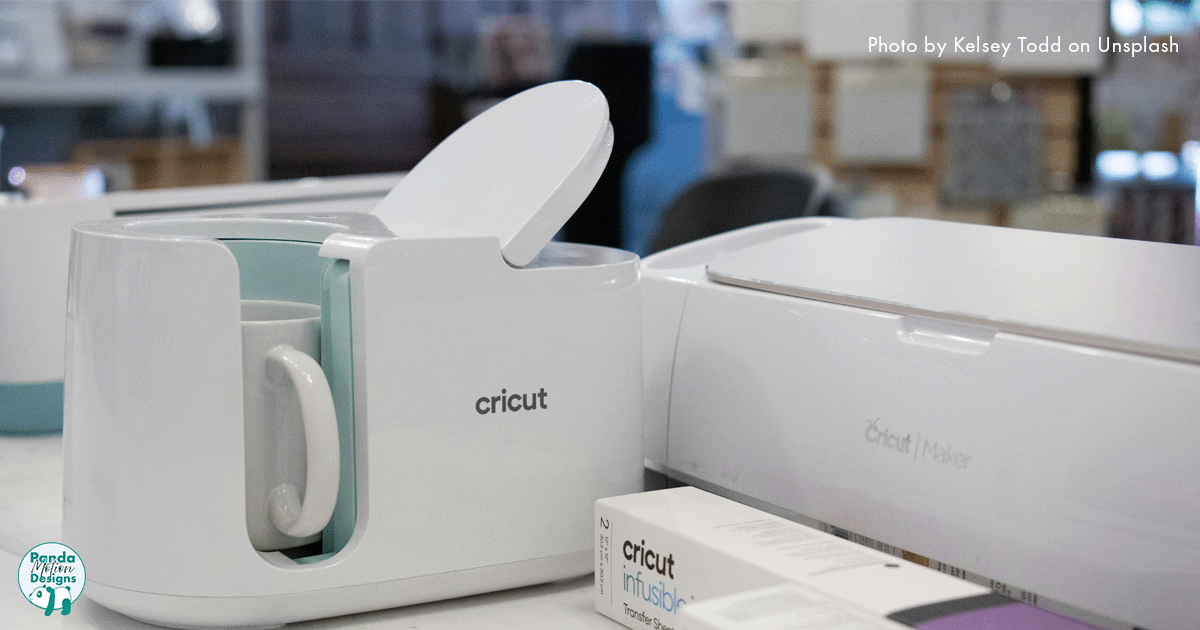
My husband bought me sublimation equipment for my birthday, and it came with loads of extras and add-ons that felt so exciting at the time. I had presses for baseball caps, plates, bowls — even ones for tapered products like travel cups.

Now, all of it just sits above my flat press — unused and untested. My husband thought it’d be handy to have “just in case,” but now it’s only taking up space. I wish I’d stuck with the two mug press sizes and a flat press, then added more later if I needed them.

So start with the essentials, and build up as you go. Otherwise, you might end up with expensive dust collectors sitting in the corner!


Conclusion

I hope that was insightful and helpful. It is daunting to start a small, creative business.

What are your top mistakes? Use the comment section below.

Until next time.


BlogHeader-3

5 Lessons My Kids Have Taught Me About Business

Photo by Ben Wicks on Unsplash

I started my small business in 2021 after having my son in 2020. I struggled to return to my contract job, particularly in finding a balance with childcare. Since then, I have grown not only as a mum but also as a small business owner. Let’s explore the five important lessons my son has taught me about running a business


1. Failures are a Part of the Journey

That moment when a child takes their first solo steps is unforgettable and becomes a cherished memory. However, the journey to that moment is filled with ups and downs—lots of falls, frustration, and tears. Running a small business is very similar.

Operating a small business from home is rarely smooth sailing. There are tantrums over technology failures, frustration when a design doesn’t come together, and tears when Royal Mail loses your package. Yet, the final results will make all the challenges worthwhile.

2. Play is Important

For kids, there is no yesterday or tomorrow—only the present. They exist in the moment, which is often filled with intense activities like car racing or flying planes (I have a boy, so I don’t get to play with ponies). In the world of business, taking breaks is crucial.

It’s easy to experience burnout, especially when you focus on all the tasks you need to complete tomorrow or when you think about things from yesterday that you need to address today. However, taking time to be present is essential. Whether it’s driving Lightning McQueen around on the carpet or simply sitting outside with a book, carving out time for yourself is important

3. Show Everyone What You Have Done

There is a special kind of pride that little ones exhibit when they run up to show you a picture they’ve created. Even if it’s just a brown blob on a piece of paper, they present it with confidence, and you can’t help but agree that it is indeed the most amazing piece of art ever made. This sentiment applies just as much to running a business, particularly a creative one.

Sharing something you’ve poured your heart and soul into can be daunting. The fear of facing rejection or being overlooked can trigger significant anxiety. But you should go for it! Present your work to the world and take pride in what you’ve accomplished. Someone will appreciate it, and then another, and another. Stand tall with a big smile and say, “Look at me! Look at what I created!”

4. Negotiation

Anyone with a toddler or a teenager will understand this struggle. My negotiating skills are truly tested when my son tries to convince you that they need to go headfirst down a slide, and you have to negotiate a safer way to play.

These skills can be quite helpful in business, especially when dealing with customers. Whether they are negotiating a discount for a wholesale order or requesting a custom design, it’s important to remember that customers are not as tough to negotiate with as a 5-year-old trying to get a new toy car.

5. Nap Time is for Babies

This made me laugh. When my son turned two, he boldly declared that naps are for babies. As a result, he started resisting naps at home, although he did take nice naps at nursery.

I’m not one of those people who believe that “you snooze, you lose.” That idea is nonsense. Resting doesn’t make you a loser; in fact, it’s quite the opposite.

However, not promoting your brand, failing to post regularly, and neglecting to update your listings can make it seem like your store is on “nap time.” To keep everything active and attract customers, stay on top of social media, update your listings frequently, and refresh your tags for SEO. This will help wake everything up and draw in more customers.


Many thanks for taking the time to read my blog. What lessons have your kids taught you? Please feel free to leave a comment below.

You can also follow me on social media.

Until next time… keep shopping small.