

Sublimation Printing FAQs: Questions I’m Asked All the Time

Photo by Simon Hurry on Unsplash

Sublimation Printing, Explained Without the Jargon

If you’ve ever wondered how sublimation printing works in the UK, you’re in the right place.

At first glance, sublimation can sound intimidating — I know it did to me when my husband first mentioned it. However, once you understand the basics, it’s actually a really straightforward (and fun!) process. I’ve been sublimating for over four years now, and during that time, I’ve been asked the same questions again and again by both customers and fellow small business owners.

So, I’ve gathered the most common ones here and answered them in plain English — no technical jargon, no pressure to understand everything, and no gatekeeping.

Pop the kettle on, grab a choccy biccy, and let’s dive in.


What Is Sublimation Printing? (In Plain English)

Honestly? It can feel like magic.

In reality, sublimation is a heat-based printing process. Sublimation ink is printed onto special paper and then transferred onto a product using heat and pressure. When heated, the ink turns into a gas and bonds to the surface of the product — rather than sitting on top of it.

This is what makes sublimation different from vinyl, which sits on the surface like a sticker. If you’d like a deeper comparison, I’ve written a separate blog post all about the difference between vinyl and sublimation printing in the UK, which you can read here.


Why I Use Sublimation Printing for My Products

My customers want products that last — and so do I. Nobody wants something that fades, peels, or cracks after a few uses.

Sublimation creates a smooth, professional finish that’s designed to last. Because the ink becomes part of the product, the design stays vibrant even with everyday use.

It’s also perfect for personalised gifts. I can easily make design changes digitally, print them, and press a truly one-of-a-kind item. Plus, it fits around family and school life, which makes it ideal for my little business.


What Products Can Be Sublimated?

A lot, actually! Mugs, water bottles, coasters, bookmarks, and more can all be sublimated, and there’s a wide range of sublimation blanks available here in the UK.

However, there is a limitation. You can’t just grab any mug off the shelf at The Range and sublimate onto it. Sublimation blanks are coated with a special sublimation coating that allows the ink to bond properly.

We’ve even explored making our own blanks (not as easy as it sounds!), which has given me a deeper understanding of how important that coating really is.

I choose my blanks carefully to suit my designs, but I’m always open to sourcing specific items if customers ask. Feel free to message me via Etsy or my contact page if you’re after something particular.


Will the Design Fade, Crack or Peel?

Because sublimation ink bonds with the product itself, it won’t crack or peel. Vinyl, on the other hand, sits on top of the surface and can eventually lift or crack over time.

That said, care still matters. Following the care instructions included with your item will help it last as long as possible.

Sublimation is designed for longevity — and a little care goes a long way.


Can Sublimation Be Used on Any Material or Colour?

Sublimation works best on light or white backgrounds. The ink is transparent, so darker colours can change how the final design looks. For this reason, I personally stick to lighter blanks to ensure my designs look exactly as intended.

Material-wise, sublimation requires a special coating — except when it comes to fabric. Sublimation doesn’t work on cotton, as the ink won’t absorb properly. It does work well on polyester or poly-blend fabrics with at least 55% polyester, though results can vary.

This unpredictability is why I’ve chosen not to offer clothing (at least for now).


Is Sublimation Printing Safe for Everyday Use?

Yes — when done properly, sublimation is safe for everyday use. The ink won’t bleed, melt, or leach into food or drink when heated.

As long as the blank product and its coating are certified food-safe, it’s perfectly safe. This is exactly why I only work with trusted suppliers.


Can Sublimated Items Go in the Dishwasher or Washing Machine?

Most ceramic mugs and many glass items are dishwasher and microwave-safe, and sublimated fabrics are usually washing machine safe too.

I use my own sublimated items daily and haven’t had any issues. Care instructions are always included where needed and clearly stated in product listings, so you’ll know exactly how to look after your item.

Thankfully, sublimated products are very low-maintenance.


Why Do Sublimated Products Cost More Than High Street Items?

Every product I sell is designed, pressed, and finished by me in small batches from my home in Kent, UK — not mass-produced in a factory.

I spend time testing designs, sourcing quality materials, and carefully making each item, especially personalised orders that are created just for one customer. That level of care makes each piece more personal and meaningful.

You’re not just buying a product — you’re supporting a real person, a real home business, and something made with genuine pride.


Can Any Design Be Sublimated?

Mostly yes — but there are a few limitations. Sublimation doesn’t print white. That often surprises people! While vinyl can cut white, sublimation relies on the background colour showing through.

That’s also why white blanks work so well.

Sublimation excels at vibrant colours, photos, and detailed designs, as long as the image quality is high. A small or blurry file won’t scale up well, which is why I always ask for high-resolution images for custom orders.


Is Sublimation Printing Eco-Friendly?

Sublimation is one of the more eco-friendly printing methods. The ink is water-based and non-toxic, and because designs don’t peel or fade quickly, products don’t need replacing as often.

There is some plastic involved — for example, protective films on blanks — but I do my best to recycle or reuse materials wherever possible.

That’s one of the key differences between small-batch handmade production and fast-replacement culture.


Common Sublimation Printing Myths (UK Edition)

“It’s just a sticker — it’ll peel off.”
Not true. Sublimation ink bonds into the product and won’t peel or lift, even after repeated washing.

“It’s the same as vinyl.”
They’re similar in process, but sublimation offers greater flexibility for photos, drawings, and full-colour designs.


Closing Thoughts: Still Got Questions?

Asking questions is always OK. Online shopping can feel overwhelming, especially with concerns about scams or misleading listings.

I welcome questions through my website or Etsy — it’s important to me that you know there’s a real person behind the products (and not an AI bot!).

If you’re unsure about anything, please ask before ordering. I’m always happy to help.

Buying from a UK handmade business means real care has gone into every item. Feel free to check out my Etsy reviews — or leave a comment below.
Sublimation or Vinyl? Which is best for me?

A few times this month, other parents have asked me a question. More mums/parents are looking at alternative or additional incomes, especially now with the cost of living and childcare costs increasing. It’s no surprise that this question is commonly asked of me.

In this article, I’ll delve into the intricacies of both methods, offering insights into their pros and cons to help you make an informed decision.

And no, we won’t be diving into the cosmic Koala conundrum.


What is Vinyl and Sublimation?

Vinyl involves cutting designs with a machine, peeling them off, and applying heat to adhere them to various surfaces. Sublimation, on the other hand, entails printing designs onto special paper and transferring them using heat.

What Can I Do?

There is a tonne of stuff that you can do with either.

Both techniques offer a myriad of creative opportunities. Sublimation excels in transferring hand drawings, digital artwork, or photographs onto surfaces like coasters, jigsaw puzzles, and bags. Conversely, vinyl is versatile, allowing intricate designs to be cut and applied to almost any surface.

What’s the Setup?

Starting either venture requires minimal equipment. For vinyl, a cutting machine and heat press suffice, while sublimation necessitates a printer, ink, paper, and a heat press. Initial costs for both range from £300 to £500, with sublimation setups typically costing slightly more.

Space Required for Equipment

This was one of my biggest worries. Where am I going to put it all?

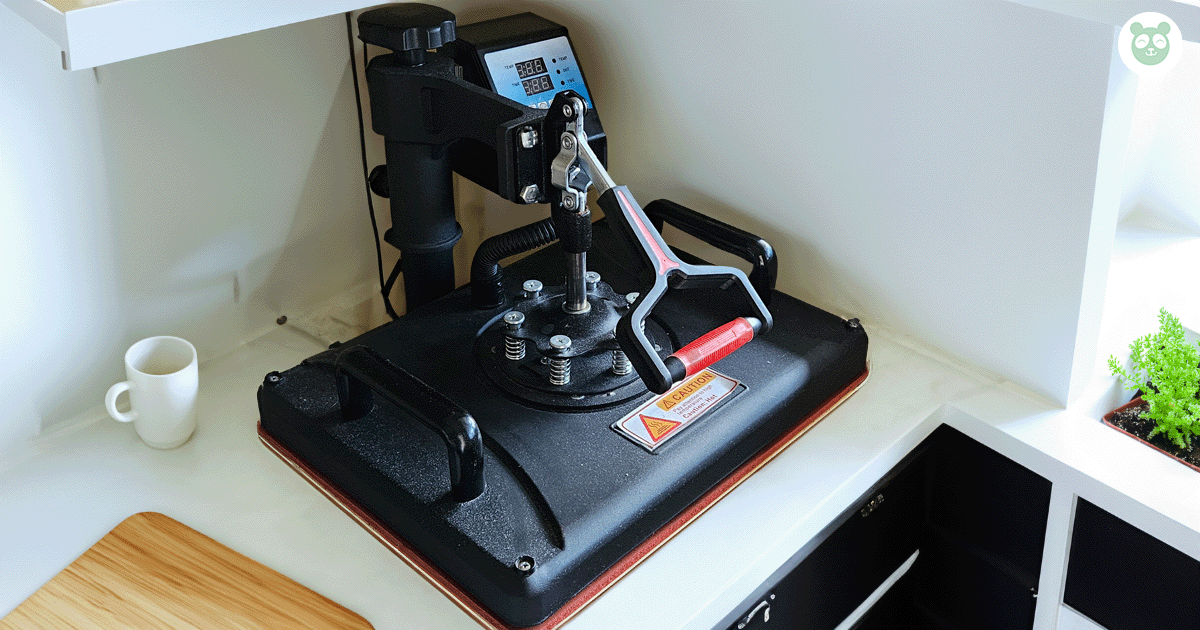
Consider the space needed for equipment placement. Sublimation equipment, particularly clam presses, is heavy and requires stable placement. Vinyl equipment, while lighter, can still occupy considerable space but offers more mobility.

Do I Need to Learn Anything New?

Sublimation is relatively straightforward, involving printing, pressing, and minimal trial and error. Vinyl, however, demands proficiency in specialised software, precise cutting, and meticulous application, resulting in a steeper learning curve.

Can I Work it Around Childcare?

This is my main question. And probably is the question that lead you to read this blog post (and I thank you so much if you got this far)

And the answer is yes. 

Both methods offer flexibility for parents to work around childcare schedules. Sublimation may be more time-efficient, as designs can be quickly printed and pressed. However, vinyl allows for more intricate designs, albeit with additional time and effort.

When my son was napping I was able to process orders, print off designs and start packing as he slept soundly. I would then do pressing in the evening or on days he was at nursery. Now the naps are gone I can still work around him, just be prepared to be interrupted (a lot) to open a banana.

Decision

Ultimately, the choice between sublimation and vinyl hinges on personal preferences and time constraints. While sublimation offers ease of use and durability, vinyl provides versatility in design. Consider your workflow, space limitations, and desired outcomes before making a decision.

I went with sublimation, simply because I didn’t have the time to individually cut out different colours of vinyl, put it all together and then place it on a suitable surface. It was quick and easy to set up and get going. Another attraction was that it allowed me to use photographs and hand drawings on products allowing me to offer more personal products to potential customers.


Conclusion

Whether you opt for sublimation or vinyl, embarking on a creative business venture can be rewarding. By weighing the advantages and drawbacks of each method, you can select the approach that aligns best with your skills, resources, and lifestyle

All hail the cosmic Koala!


What on earth is sublimation and why is it awesome?

I first heard of sublimation in 2021. My husband suggested I start my own at home business using sublimation. It seemed like magic. Is it something that can actually be done at home? Is it really that simple? Who is the cosmic Koala in Star Trek: Lower Decks?

Simply put. Yes (Except the Koala, I have no idea what his deal is)

In the realm of crafting and personalized goods, the term “sublimation” might sound like a mystical process reserved for professionals. Surprisingly, this magical art form can be brought into your own home, transforming it into a hub of creativity. Additionally, you can explore different techniques and styles, experimenting with various materials and colours. Consequently, you can create a space that inspires and motivates you to express yourself artistically. Now, let’s unravel the enchanting world of sublimation printing.

What is it?

At its core, sublimation printing is an intricate process where a chosen image or design is meticulously printed onto specialized paper. Through the application of heat, the ink on the paper transforms into gas, magically transferring onto another surface, seamlessly merging with the material. It’s a bit like watching magic unfold before your eyes.

While this explanation might seem like the tip of the iceberg, there’s much more to delve into. In future blog posts, I’ll explore the essential components such as the type of printer, paper, heating presses, and other nuances that contribute to mastering this art form.. Consider it your invitation to return for an enlightening read.

Benefits of Sublimation

In a world where vinyl applications often sit atop fabrics, sublimation takes a different route, saturating the material with vibrant designs that won’t peel or crack over time. The benefits are undeniable, and in subsequent posts, I’ll delve deeper into the pros and cons of this method, keeping you intrigued and informed. Yes, more reasons for you to revisit my website.

Why Sublimation?

From my perspective, sublimation opens a realm of possibilities for detailed and intricate designs. Even hand-drawn or painted creations find a new life when transferred onto various materials using this method. The simplicity of the process makes it accessible to anyone with a creative spark—no extensive training or practice required. Just create, print, and press – it’s that straightforward.

Simples.

How big is the equipment?

The size of your sublimation equipment depends on your aspirations. I started with a standard clam press and printer that accommodates up to A4 size, but there are larger options for those aiming for A3 dimensions. My mug press, perfect for mugs, tumblers, and water bottles, is compact yet versatile. There are optional, additional attachments for different mug sizes, tumblers, and even baseball caps and plates available that will off you more flexibility but may demand additional storage space. It’s worth noting that the clam press is a hefty piece of equipment, and can’t be moved easily.


I hope this brief exploration into the world of sublimation has piqued your interest. If you’re curious or have questions about sublimation, my business, or items in my shop, don’t hesitate to leave a comment below or connect with me on social media. Let’s embark on this creative journey together!

Regarding the Koala…

All hail the cosmic Koala!